
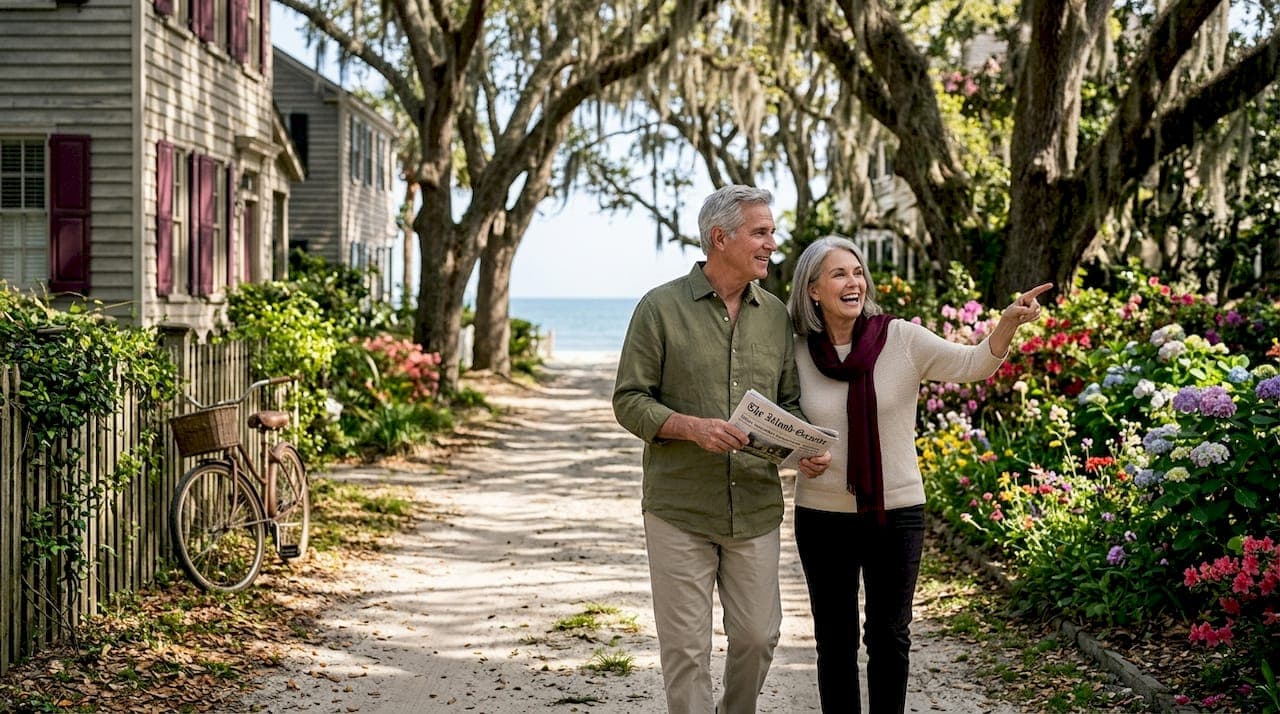
Relocating is one of the most personal decisions you will ever make, and evaluating Amelia Island for relocation means weighing far more than square footage and commute times. This barrier island off Florida's northeastern coast offers something genuinely rare: a place where preserved marshlands meet Victorian streetscapes, where neighbors still gather on front porches, and where the pace of life feels intentional rather than accidental. Whether you are a family searching for a community with roots or an individual ready to trade urban noise for coastal calm, this guide covers the lifestyle, real estate, environment, and practical steps you need to make a clear-eyed decision.
Table of Contents
- Key Takeaways
- Evaluating Amelia Island for relocation: lifestyle and community
- Real estate options and neighborhoods
- Environmental sustainability and natural surroundings
- Practical steps for your relocation plan
- My honest take on moving here
- Discover your place at Crane Island
- FAQ
Key Takeaways
| Point | Details |
|---|---|
| Community feel is genuine | Amelia Island's tight-knit social fabric benefits newcomers of all ages, not just retirees. |
| Real estate is diverse | Housing ranges from historic Fernandina Beach homes to luxury intracoastal custom builds. |
| Nature is a daily amenity | Over 300 acres of preserved land and 13 miles of uncrowded beaches shape everyday life here. |
| Climate rewards outdoor living | Fall and winter bring ideal temperatures for exploring the island's trails, beaches, and waterways. |
| Preparation shortens the learning curve | Researching schools, healthcare, and neighborhoods before you arrive saves months of adjustment. |
Evaluating Amelia Island for relocation: lifestyle and community
Amelia Island does not feel like most Florida destinations. There are no towering resort corridors or strip-mall sprawl. What you find instead is a community of roughly 14,000 residents who share a genuine attachment to the place they call home. Neighbors know each other's names. Local events draw real crowds. And the social fabric here is woven from years of shared tradition, not just proximity.
The demographic picture is worth understanding honestly. The island skews older, with a notable retiree population. But younger newcomers find that this demographic actually works in their favor. Established residents tend to be invested in the community, available for connection, and genuinely welcoming to families and individuals at different life stages. The social support system that retirees have built over decades becomes an asset for anyone arriving new.
The cultural life here punches above its weight for a small island. Fernandina Beach anchors the island with a historic district full of Victorian architecture, independent restaurants, art galleries, and landmarks like the Amelia Island Lighthouse. The Shrimp Festival draws tens of thousands each spring. The Isle of Eight Flags is one of Florida's oldest and most celebrated festivals. These are not tourist traps. They are community rituals that residents participate in year after year.
For daily life, the Amelia Island lifestyle offers:
- A walkable, historic downtown with locally owned shops and restaurants
- Farmers markets, art walks, and seasonal community events throughout the year
- Active civic organizations and neighborhood associations that welcome newcomers
- Strong safety record with low crime rates relative to Florida's larger metros
- Year-round outdoor activities including horseback riding on the beach, fishing charters, kayaking, and sailing
Pro Tip: Before committing to a move, spend at least one long weekend on the island during the off-season, specifically in January or February. You will get a truer sense of the community's pace and social life than any summer visit can offer.
Real estate options and neighborhoods
The Amelia Island real estate market rewards buyers who take time to understand its distinct neighborhoods rather than treating the island as one uniform housing pool. Each area carries its own character, price range, and lifestyle implications.
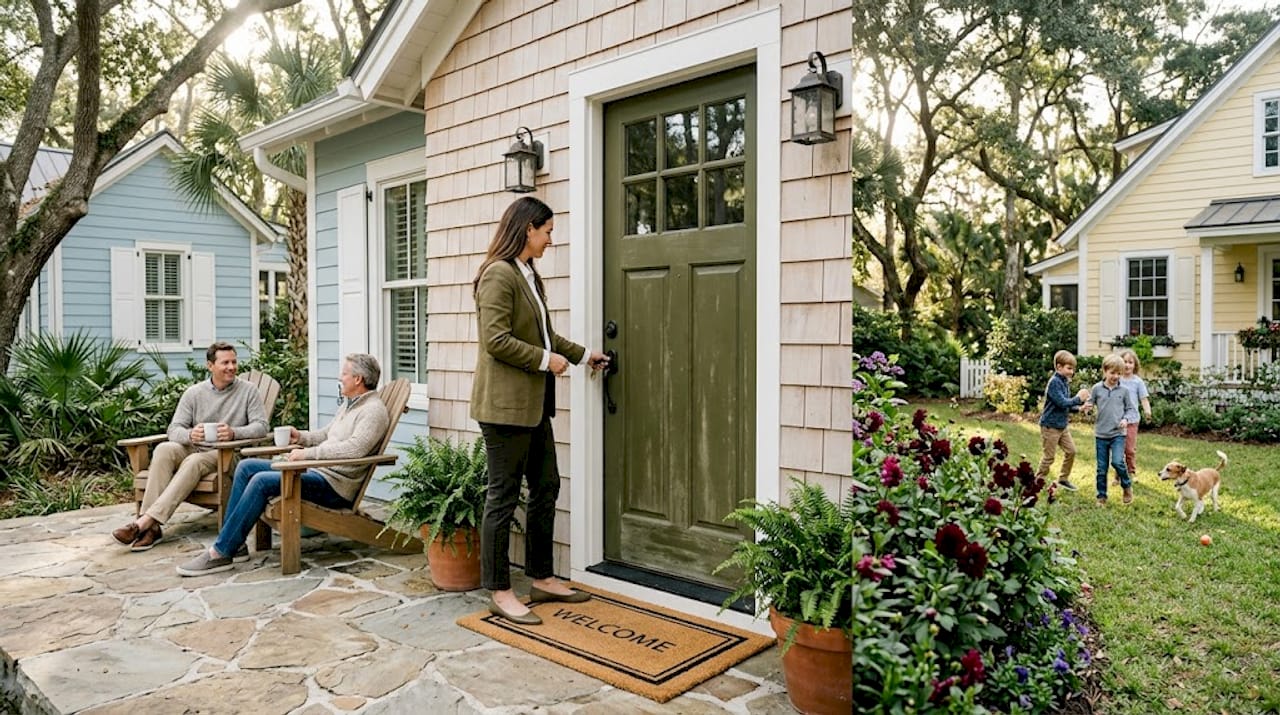
Amelia Island's housing spans historic neighborhoods, family-oriented communities, and luxury intracoastal developments. Here is a practical comparison of the main options:
| Neighborhood type | Best for | Price range | Character |
|---|---|---|---|
| Historic Fernandina Beach | Culture seekers, walkability | Mid-range to upper-mid | Victorian architecture, walkable streets |
| Omni Amelia Island Resort area | Amenity-focused families | Upper-mid to luxury | Golf, spa, resort-style living |
| Intracoastal custom communities | Luxury buyers, nature lovers | Luxury and above | Marsh views, custom builds, privacy |
| South end beach communities | Beach-first lifestyle | Wide range | Proximity to uncrowded shoreline |
The growing demand for custom luxury builds reflects a broader shift in how buyers think about coastal real estate. People are no longer satisfied with generic floor plans. They want homes that respond to the land, honor the local architectural tradition, and are built to last in a coastal environment.
When you are evaluating neighborhoods, keep these factors in mind:
- Flood zone designation affects both insurance costs and long-term property value
- HOA structures vary widely and can significantly shape your daily experience
- Proximity to Fernandina Beach's services matters more than many buyers initially realize
- School district boundaries in Nassau County affect families with children
Pro Tip: Request a flood zone map overlay for any property you are seriously considering. Nassau County's flood zone data is publicly available, and understanding your specific parcel's designation before making an offer can save you from a costly surprise at closing.
The Lowcountry architectural style that defines many of the island's finest homes is more than an aesthetic choice. Deep porches, elevated foundations, and natural material palettes are practical responses to the coastal climate. Homes built in this tradition tend to age with more grace and require less remediation than generic coastal construction.
Environmental sustainability and natural surroundings
Amelia Island's natural environment is not a backdrop. It is an active participant in daily life here, and understanding it is central to any honest Amelia Island relocation guide.
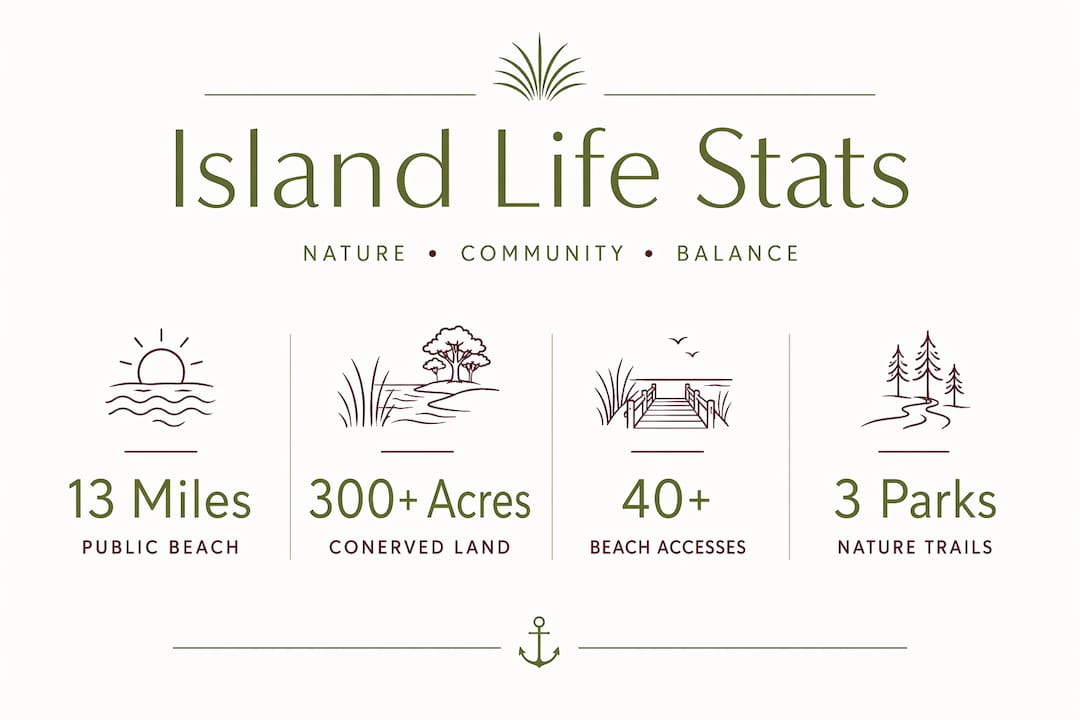
The island sits within a rich coastal ecosystem that includes 13 miles of uncrowded beaches with more than 40 public access points, tidal marshlands, and one of the last remaining maritime forests on Florida's Atlantic coast. These are not preserved in the abstract. You walk through them, kayak alongside them, and watch migratory birds move through them on a Tuesday morning.
Conservation protects over 300 acres of sensitive land and maritime forest, with Egans Creek Greenway serving as a particularly significant protected corridor. The greenway supports birdwatching, hiking, and wildlife observation within minutes of downtown Fernandina Beach. It is the kind of amenity that does not show up on a real estate listing but shapes quality of life profoundly.
Local regulations and community initiatives maintain a careful balance between development and preservation. This is not accidental. Residents and local government have consistently prioritized protecting the island's ecological character, which in turn protects property values and the lifestyle that drew people here in the first place.
From a practical standpoint, life close to this environment means:
- Regular sightings of sea turtles, right whales (seasonally), and hundreds of bird species
- Access to the Intracoastal Waterway for boating, paddleboarding, and fishing
- Ideal outdoor temperatures from October through March, ranging from the mid-50s to low 70s Fahrenheit
- Awareness of hurricane season (June through November) as a planning consideration
- Natural stormwater management through preserved wetlands that reduce flood risk in adjacent areas
For families and individuals who want sustainable living to be a lived reality rather than a marketing phrase, Amelia Island delivers in concrete, daily ways.
Practical steps for your relocation plan
Moving to Amelia Island goes more smoothly when you treat the process as a research project before it becomes a logistics project. Here is a practical sequence that experienced relocators recommend.
-
Research schools and healthcare first. Nassau County schools serve the island, and specific schools vary by address. Identify your preferred school zones before narrowing your housing search. For healthcare, Baptist Medical Center Nassau in Fernandina Beach handles most primary and urgent needs, with Jacksonville's major medical centers roughly 35 miles away.
-
Visit during different seasons. Summer on Amelia Island is warm and humid. The shoulder seasons and winter months reveal a different, quieter community. Both are worth experiencing before you commit.
-
Work with a local real estate professional. The island's market has nuances that national platforms do not capture well. A local agent familiar with flood zones, HOA structures, and neighborhood character will save you significant time and money.
-
Evaluate your commute needs honestly. If you work remotely, the island's relative isolation is an asset. If you commute to Jacksonville regularly, factor in the bridge crossings and traffic patterns on US-1 and A1A.
-
Connect with the community before you move. Attend a local event, join a neighborhood Facebook group, or reach out to a community like Crane Island to understand what resident life actually looks like day to day.
-
Plan your post-move integration intentionally. Join a civic organization, attend the farmers market, volunteer at a local event. The island's community is warm, but it rewards people who show up.
"The people who struggle most with the transition to Amelia Island are the ones who expected the community to come to them. The ones who thrive show up first."
Pro Tip: If you are considering a custom build, start conversations with design-build firms at least six months before you need to break ground. Coastal permitting timelines and material lead times on the island run longer than most buyers expect.
My honest take on moving here
I have spent considerable time studying communities along Florida's coast, and what strikes me most about Amelia Island is how rarely it oversells itself. Most coastal destinations lead with the postcard version. Amelia Island leads with the front porch.
What new residents consistently overlook is the depth of the social infrastructure here. The retiree demographic that some younger buyers see as a drawback is actually one of the island's greatest assets. These are people with time, experience, and genuine investment in the community. They show up for neighborhood meetings. They know the history of the land. They become real neighbors in a way that transient resort communities never produce.
The honest challenge is isolation. If you crave urban density, cultural variety at scale, or a wide professional network in your immediate vicinity, the island will feel limiting within a year. But if what you want is a place where the land still shapes the culture, where craftsmanship is valued, and where your neighbor actually knows your name, I have not found many places along the Atlantic coast that do it better.
The environmental commitment here is also real, not performative. Watching a community consistently choose preservation over short-term development profit is genuinely rare. That choice is written into the character of the place, and it shows in the quality of life that residents experience every single day.
— John
Discover your place at Crane Island
If your research has brought you to the point of seriously considering life on Amelia Island, Crane Island deserves a close look. We offer a rare collection of luxury intracoastal homes on just 14 homesites, each designed to honor the island's Lowcountry architectural heritage while giving homeowners the freedom to build something genuinely personal.
Our custom design-build process is built around the idea that a home should be woven into its landscape, not imposed upon it. Residents enjoy direct access to the Intracoastal Waterway, preserved marshland views, and the walkable culture of historic Fernandina Beach. For families, the community's porch-centered design creates the kind of organic neighbor relationships that most developments only promise. Explore our available real estate listings and see what life at Crane Island actually looks like. We would be glad to answer your questions and help you find your place here.
FAQ
Is Amelia Island a good place to live for families?
Yes. Amelia Island offers strong community ties, low crime rates, access to Nassau County schools, and abundant outdoor recreation that suits families well. The island's tight-knit social environment makes it particularly welcoming for children and parents alike.
What is the cost of living on Amelia Island?
The cost of living on Amelia Island runs higher than Florida's state average, driven primarily by real estate prices. Housing ranges from mid-range historic properties in Fernandina Beach to luxury custom builds along the Intracoastal Waterway, so your budget will largely determine your neighborhood options.
What are the best neighborhoods on Amelia Island?
The best neighborhoods depend on your priorities. Historic Fernandina Beach suits walkability and culture seekers, while intracoastal communities like Crane Island appeal to buyers who prioritize nature, privacy, and custom architecture. The south end offers strong beach access across a wider price range.
How does the climate affect life on Amelia Island?
Summers are warm and humid, with hurricane season running June through November. The most comfortable outdoor living happens from October through March, when temperatures range from the mid-50s to low 70s and the island's trails, beaches, and waterways are at their most inviting.
How do I start the relocation process to Amelia Island?
Begin by researching school zones, healthcare access, and flood zone designations for your target neighborhoods. Visit during multiple seasons, connect with a local real estate professional, and reach out to established communities like Crane Island to understand what daily resident life looks like before you commit.