

Finding a luxury coastal community that offers both privacy and genuine neighborhood character is difficult for buyers seeking lasting estate value. Many communities publish only limited pricing and amenity details or restrict transparent access to neighborhood governance and ownership costs. This comparison covers privacy, design, amenities, and ownership across six luxury coastal communities so residents and property owners can match the right setting to their estate priorities.
Table of Contents
- Crane Island
- Amelia Island Plantation Community Association
- Palmetto Bluff
- Kiawah River
- Alys Beach
- Comparison of alternatives
Crane Island
At a Glance
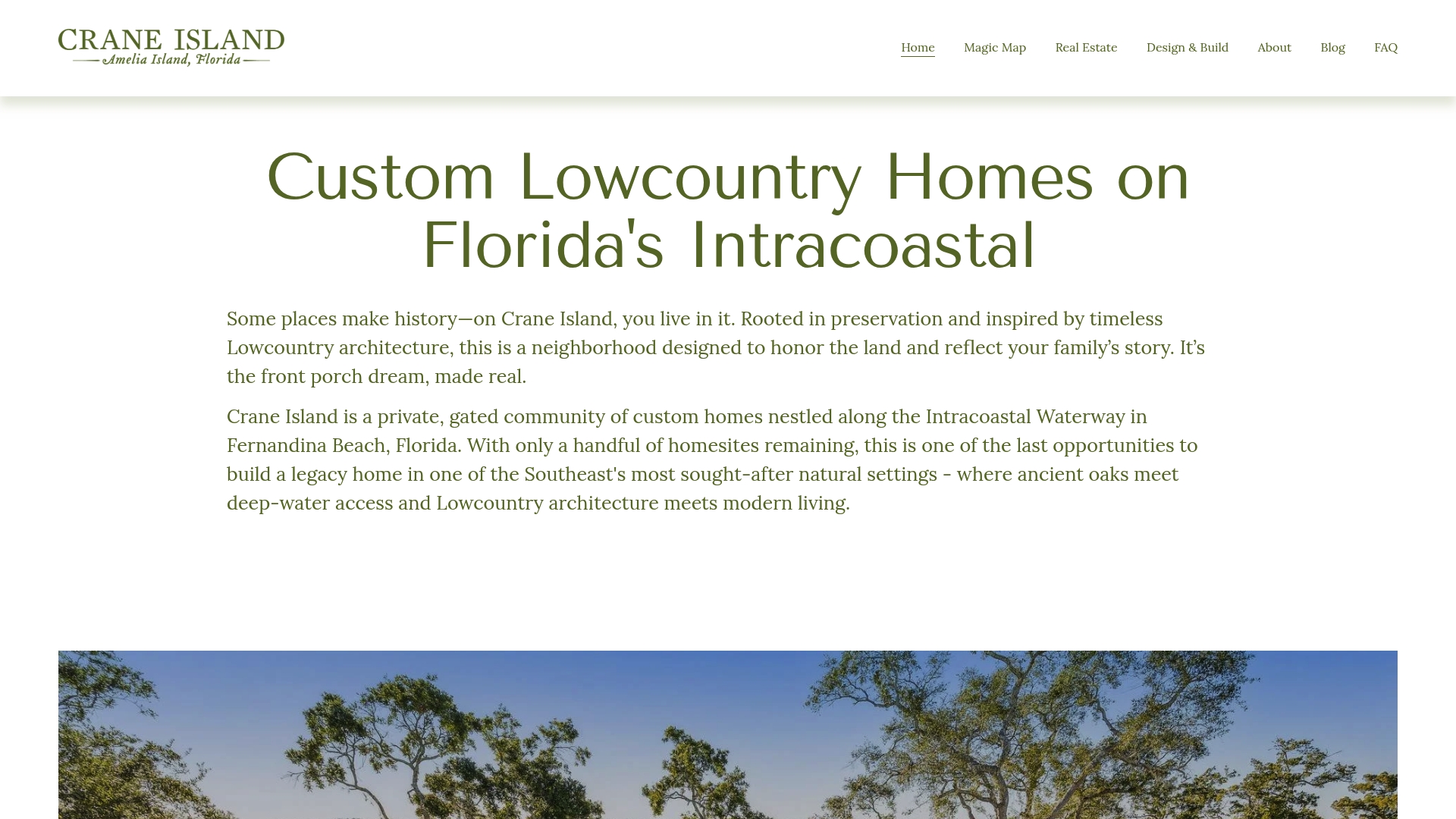
Only 14 homesites remain within Crane Island's planned 112 homesites, making available land scarce and selective. The gated community sits in Fernandina Beach on Amelia Island along the Intracoastal Waterway. The setting combines preserved maritime forest, wetlands, and deep-water access for waterfront ownership.
Core Features
Crane Island offers custom homes inspired by Lowcountry architecture and craftsmanship, with builders and designs that reference regional porch-centered living. The community preserves maritime forests and wetlands while providing deep-water access to the Intracoastal Waterway for boat owners. The development emphasizes privacy through a gated layout and a small total parcel count rather than a typical subdivision.
Key Differentiator
The development limits density to 112 homesites, creating rare private waterfront ownership on Amelia Island. That scale changes the community feel from a crowded neighborhood to a deliberate, estate-style setting. The combination of Lowcountry design and waterfront parcels defines the community character.
Pros
Crane Island delivers a highly private coastal community with a small total number of parcels, which supports long-term privacy and estate planning for families. The architecture follows Lowcountry precedent and places porches and covered outdoor rooms at the center of daily life, encouraging neighbor interaction and quiet outdoor time. Residents gain easy access to Fernandina Beach for restaurants, cultural activities, and beaches while living inside conserved forests and wetlands.
Cons
- Limited remaining homesites reduce available building opportunities and require direct inquiry for pricing and build-cost details.
Who It's For
This community suits buyers who want a private, community-oriented waterfront property on Amelia Island and who value Lowcountry architecture and natural preservation. It fits families planning a legacy home and owners who prioritize estate privacy over high-density amenity lots. Developers or buyers seeking quick speculative flips are not the intended audience.
Unique Value Proposition
Only a small fixed number of parcels across Crane Island creates scarcity that shapes buyer decisions. For families planning a generational home, securing one of the remaining sites means owning a waterfront lot inside a gated, low-density setting. That scarcity also concentrates design control around Lowcountry form and porch-centered living.
Real World Use Case
A family wanting a custom waterfront home buys one of the remaining sites and commissions an architect versed in Lowcountry detail. Their design places a shaded porch toward marsh views, preserves adjacent maritime forest, and includes a private dock for Intracoastal access. The result is a legacy property that connects private outdoor living to nearby Fernandina Beach culture.
Website: https://craneisland.com
Amelia Island Plantation Community Association
At a Glance
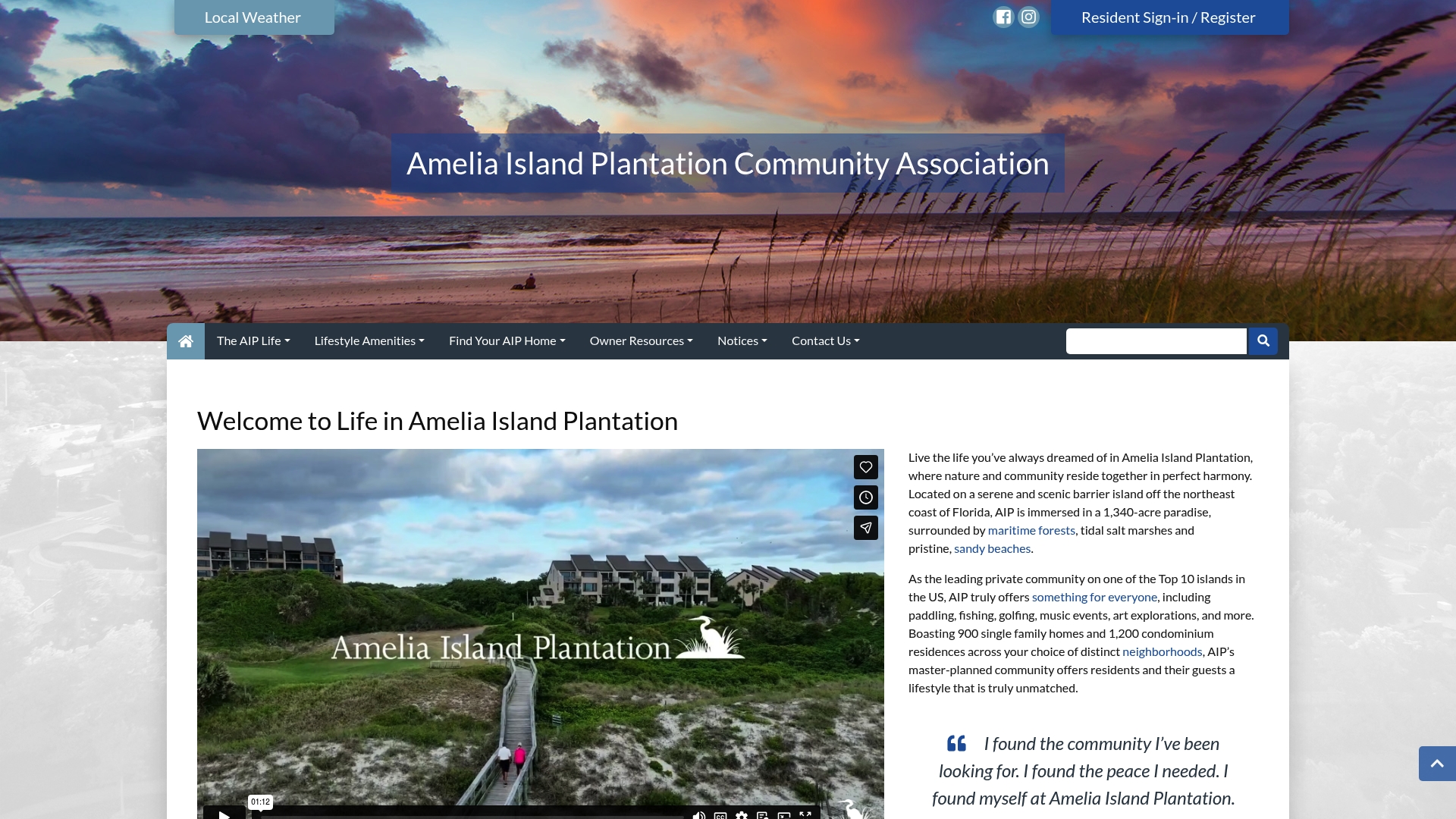
AIPCA operates a community-specific mobile app that connects residents to services, events, and safety updates. The association manages a master-planned community on Amelia Island with parks, trails, golf, and direct beach access. Cultural programs and owner resources support both daily living and seasonal celebrations.
Core Features
Parks, trails, golf courses, and sports facilities provide outdoor options for daily activity and leisure. The AIP App links residents to services, event calendars, and community notices while resource centers handle security and owner questions. Public safety resources and scheduled community updates keep owners informed about service changes and events.
Key Differentiator
AIPCA pairs a nature-forward community ethos with a wide amenity set and a dedicated resident app. That combination emphasizes local history and outdoor living while keeping community services digital and accessible. The association aims to align programming with the island’s cultural character and natural landscape.
Pros
Strong community engagement appears through regular events, owner resources, and visible safety measures that support everyday life. Residents enjoy a broad set of recreation options from beach access to golf and sports facilities. The community app reduces friction for finding events, notices, and service contacts, and owner resources centralize governance and safety information for members.
Cons
- Limited publicly available detail on membership fees or costs for amenities.
- Potentially limited parking at some community access points, which can affect weekend beach visits.
- Specifics on community governance and HOA rules are not provided online.
- Amenity reservation rules and fee schedules are not clearly published for prospective buyers.
When It May Not Fit
Buyers who require transparent HOA fee schedules before any site visit may find the association a poor fit because fee details are not publicly listed. People who expect ample parking at every access point should plan for restricted parking at certain trailheads or beach entrances. Prospective owners who want full governance documents online will need to request records directly from the association.
Who It's For
Residents and property owners who value organized amenities and easy access to nature will find the community practical and welcoming. Owners who want routine cultural programming, safety resources, and a central place for owner communications will appreciate the setup. Newcomers seeking a neighborhood with active events tied to local history will match the community profile.
Real World Use Case
A family relocating to Amelia Island uses the mobile app to check event calendars and community notices before moving. They consult owner resources for safety contacts and to learn about neighborhood rules. Weekends are spent exploring trails and attending cultural events while the association manages logistics like security and facility upkeep.
Website: https://aipca.net
Palmetto Bluff
At a Glance
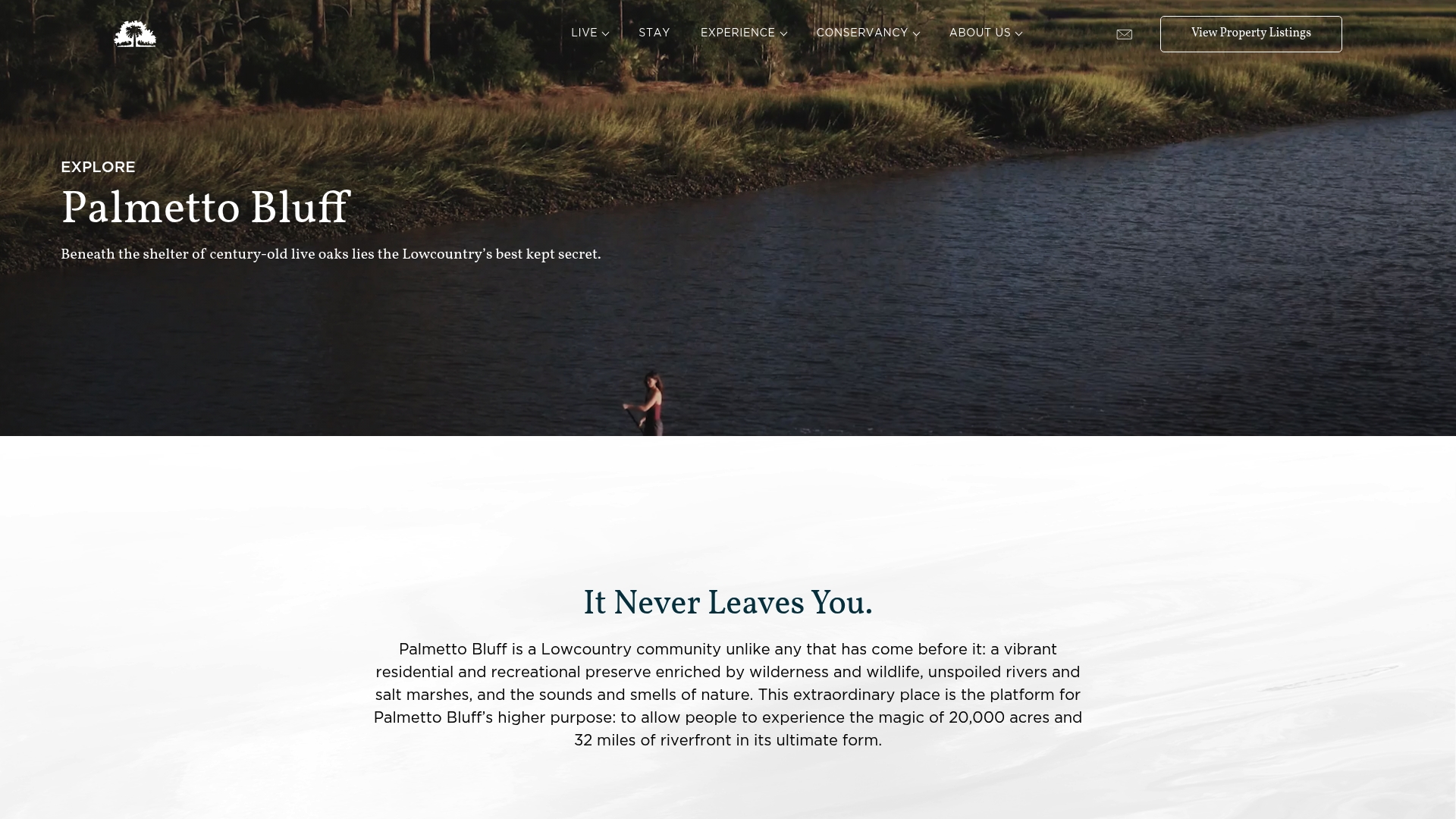
20,000 acres of Lowcountry land form a single contiguous community that mixes riverfront property, conservation land, and village neighborhoods. The scale supports both country enclaves and concentrated village life with amenities and cultural programs. Residents access a private club and recurring arts and conservation events that shape daily life.
Core Features
The community combines residential neighborhoods with a private social club, golf, boating, and wellness facilities, and it maintains active conservation programs to protect local ecosystems. Development projects such as Bramble Park add new housing patterns while keeping public spaces and trails in view. Regular community events and arts initiatives connect residents to regionally focused cultural offerings.
Key Differentiator
A distinct feature is the community scale and integrated stewardship model that pairs luxury living with habitat preservation. The combination of extensive acreage plus a private club creates a live, recreate, and conserve dynamic that differs from smaller coastal communities. The place leans into long term land management as part of its resident experience.
Pros
The setting offers a deep natural buffer and active environmental programs that protect wildlife and marshland, which helps maintain scenic riverfront values. Recreational variety is strong with golf, boating, and wellness options supported by a private club, and arts programming provides ongoing social cohesion. Homesites range from village lots to large riverfront parcels, giving buyers multiple ways to join the community.
Cons
-
Limited public access. The community functions primarily as a private residential and resort environment, which restricts casual visitation.
-
Higher ownership costs. Luxury amenities and waterfront real estate translate to significant ongoing fees and purchase prices.
-
Remote travel considerations. The location requires longer drives or regional flights for many buyers, adding time and expense to frequent trips.
When It May Not Fit
Buyers seeking an affordable second home or unrestricted public access will find this model a poor match. Those needing easy daily commutes to major employment centers might struggle with travel times. Investors focused on high liquidity rather than lifestyle value should look elsewhere.
Who It's For
Affluent families, retirees, or individuals who value a nature anchored lifestyle will fit well here. People who want active arts programming, membership club amenities, and a conservation-minded community will appreciate the offering. Buyers who prioritize scale and legacy landscapes over minimal maintenance properties will see the most benefit.
Real World Use Case
A family buys a riverfront home to pursue boating and golf while their children join arts camps and nature programs. They participate in community volunteer conservation days and use the private club for social dining and sports. The property serves as both a weekend retreat and a long term residence tied to regional culture.
Website: https://palmettobluff.com
Kiawah River
At a Glance
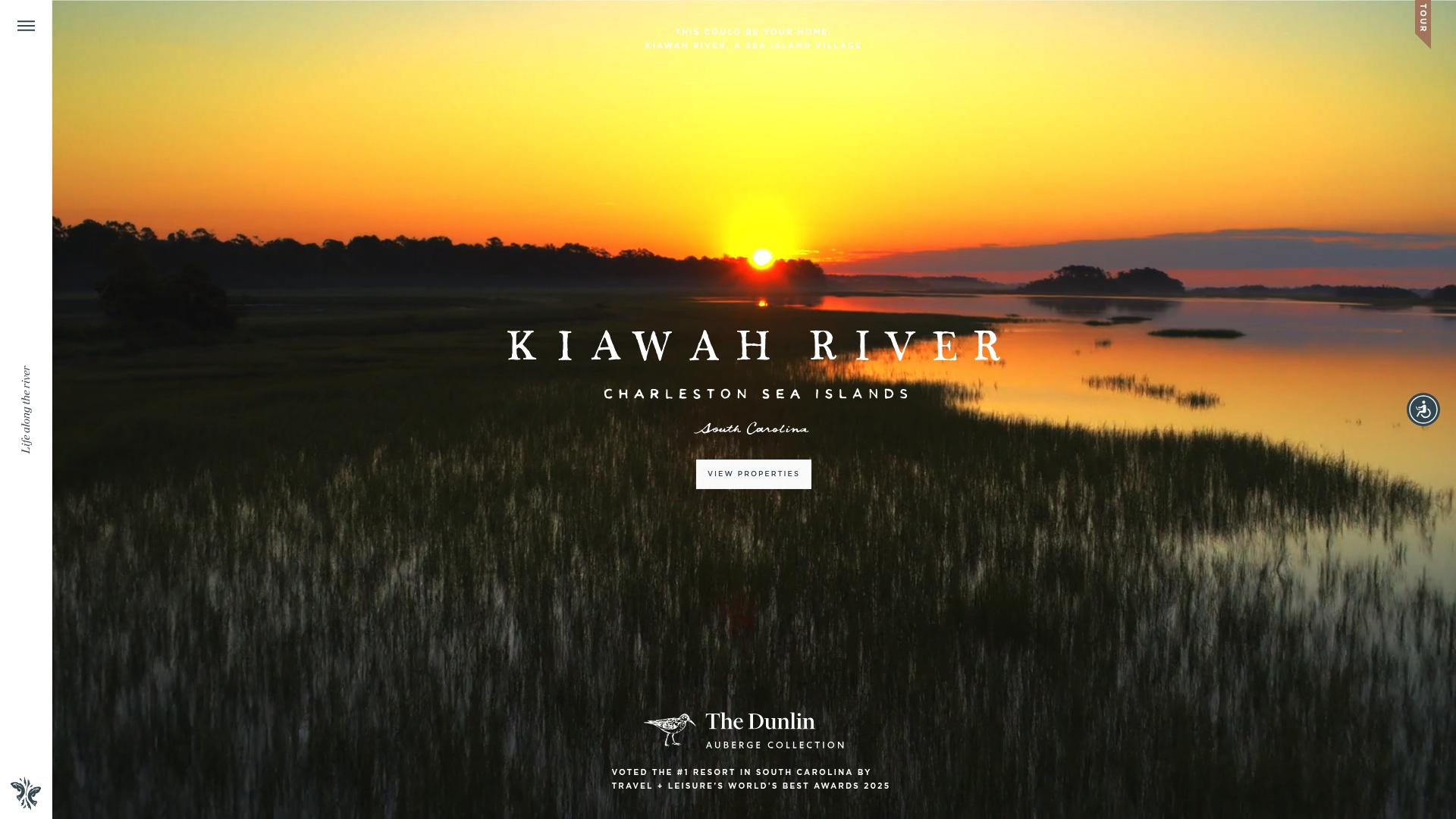
According to the developer, Kiawah River occupies 2,000 acres on Johns Island, South Carolina. The community also reports Travel + Leisure named it the #1 Resort in South Carolina for 2025. Its plan pairs Southern style residences with farms, trails, and broad waterfront access. Promotional materials emphasize outdoor events and wellness programming.
Core Features
Kiawah River centers on meticulously designed homes inspired by Southern styles. The community includes abundant village gathering places and resort style amenities such as a Goatery and working farm. Trails and waterways host birding, kayaking, and other watersports while regular festivals and celebrations fill the calendar.
Key Differentiator
What distinguishes Kiawah River is the integration of resort inspired amenities with a visible focus on sustainability and daily outdoor life. Farms, programmed wellness offerings, and waterfront recreation are treated as primary neighborhood assets rather than add ons.
Pros
The community places strong emphasis on outdoor living and a connection to nature. Amenities span farms, a Goatery, trails, and waterside access that support active recreation and casual socializing. That recognition and the acreage above signal scale and regional appeal for buyers wanting a destination style community. The programming of events and festivals gives residents consistent opportunities to meet neighbors and engage with Lowcountry culture.
Cons
- Limited public detail on pricing and specific home models, making early budgeting difficult.
- Prices may trend higher for resort style communities, so buyers should expect a premium compared with nonresort coastal options.
- No published buyer demographic breakdown, which leaves suitability for first time buyers or downsizers unclear.
When It May Not Fit
Kiawah River may not fit buyers who want an urban, city centered lifestyle with walkable street grids and nightlife. It also may frustrate buyers who require transparent pricing and house plan details early in the search. Commuters who need to close in city access to Charleston should evaluate commute times carefully.
Who It's For
This community suits outdoor loving families, retirees, and professionals who prize wellness centered amenities and waterfront access. Buyers who value programmed events, farms, and trails over urban nightlife will find the neighborhood appealing. Those seeking dense, city core living should look elsewhere.
Real World Use Case
A family relocating to South Carolina chose Kiawah River for daily outdoor options and planned community events. Children joined nature and farm programs while parents used trails and watersports on weekends. The family found a steady calendar of cultural happenings that kept neighbors connected throughout the year.
Website: https://kiawahriver.com
Alys Beach
At a Glance
Alys Beach's marketing materials note recognition in Vogue, Town & Country, and Architectural Digest. The community occupies a stretch of Florida's Scenic Highway 30A with a master-planned, pedestrian-friendly layout and public squares. Residents access exclusive amenities, curated shops, and frequent arts programming that reinforce a refined coastal lifestyle.
Core Features
The community organizes streets and public spaces around walkability and design, reflecting a master-planned community approach. Amenities include a Beach Club, pool and restaurant, and a Wellness Center alongside parks and curated retail. Outdoor art and cultural programming run year round and link public spaces with private residences.
Key Differentiator
Alys Beach pairs architectural intent with a town-scale program of retail, dining, and culture. That recognition from major publications highlights the emphasis on design and presentation. The result reads as an art-infused coastal town where social life grows around porches, plazas, and the Beach Club.
Pros
The plan prioritizes natural beauty and community cohesion through pedestrian-first streets and public squares, which encourage neighborly interaction. Exclusive amenities concentrate lifestyle offerings in one walkable envelope, making it simple to move from a morning swim to lunch at a curated restaurant. The arts programming and high design standards give the place a distinctive character that appeals to design-minded buyers.
Cons
- Pricing details and specific real estate offerings are not presented in the content. This makes early-stage budgeting difficult for buyers.
- The community targets luxury buyers, so property and living costs will likely be higher than typical coastal markets.
- The available information does not show clear options for varied budgets or for compact ownership models.
When It May Not Fit
Buyers seeking transparent, published pricing or a broad palette of housing price points will find the available information limited. Investors wanting immediate comparables and sales history will need additional market data. Households with tight budgets or interest in smaller scale housing types should look elsewhere.
Who It's For
Affluent individuals or families who value design, placemaking, and a strong sense of neighborhood will find Alys Beach appealing. Buyers who want a walkable town with curated shops and social programming are the best fit. Those prioritizing culture and high design will appreciate what the community emphasizes.
Real World Use Case
A professional relocating to Florida who desires a quiet, upscale community can move into a private residence near the Beach Club and shops. Weekends can mix waterfront recreation with gallery events and restaurant meals within easy walking distance. Over time, the resident benefits from the community's social calendar and design-driven identity.
Website: https://alysbeach.com
At a Glance
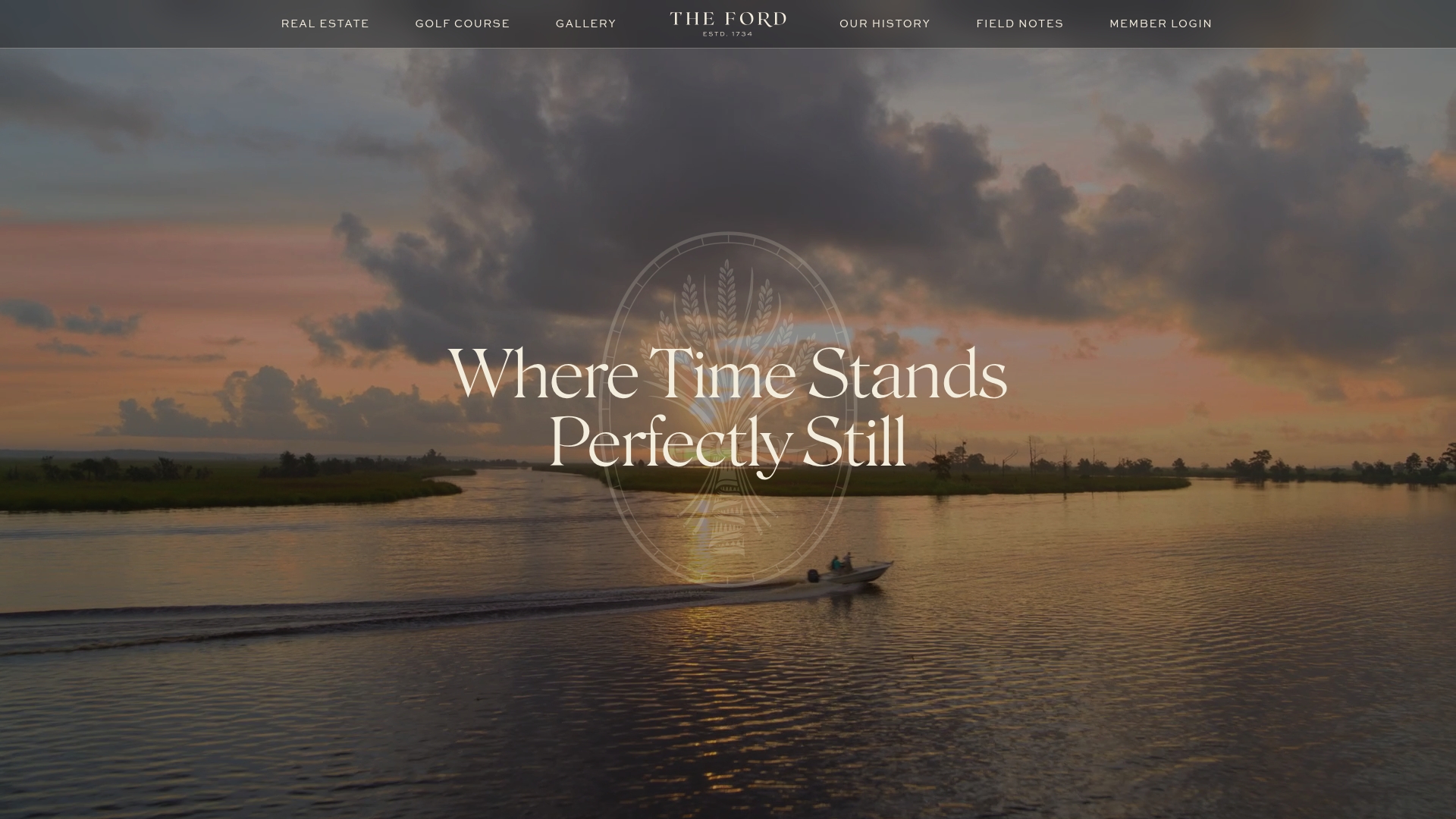
The site displays the repeated slogan “Where Time Stands Perfectly Still” but provides no clear product pages or service descriptions. Navigation links lead to sections such as pricing, features, integrations, and use cases without substantive content. The visible site functions more as a placeholder than a live comparison resource.
Core Features
The public pages offer only basic navigation and a handful of headings that imply typical comparison site sections. The site lists features such as restricted access and empty content placeholders, which means visitors encounter links rather than explanations. This minimal footprint leaves little for shoppers, investors, or researchers to evaluate.
Key Differentiator
The one distinguishing characteristic is the site’s minimal, intentionally sparse presentation. That pared-back approach sets it apart from fuller comparison sites by offering a single brand motif and simple navigation. For readers seeking a curated, content-rich comparison the site does not deliver that expected depth.
Pros
The site makes its scope obvious quickly. Visitors find a concise set of navigation items without long multi-page copy. The restrained layout reduces noise for people who only want basic contact or high-level branding. This simplicity can suit a reader who values quick orientation over detailed comparisons.
Cons
- No concrete product information is presented. The site lacks descriptions that buyers need to evaluate options.
- Content appears placeholder or unavailable. Several linked sections contain no readable material.
- No user feedback, reviews, or editorial evaluation exists. That absence prevents trust-building for comparison shoppers.
- The site offers no documented features, which blocks side-by-side analysis with other alternatives.
When It May Not Fit
This site will not fit buyers who need feature lists, pricing comparisons, or verified reviews. Investors looking for market intel will find no usable data. Homebuyers searching for coastal community comparisons will need sites that showcase listings, amenities, and neighborhood detail. Anyone expecting a functioning comparison hub should look elsewhere.
Who It's For
The site suits a casual visitor who wants a brand impression or slogan rather than detailed comparison data. It may serve internal stakeholders testing layout or a designer reviewing navigation structure. Serious homebuyers, investors, and researchers will not find the material they require.
Real World Use Case
A prospective buyer clicks the site after a social post and reads the slogan to form a first impression. They then follow navigation links and find placeholders, prompting them to move on to other comparison resources. The site functions only as an initial brand touchpoint, not as a decision tool.
Website: https://fordfieldandriverclub.com
Comparison of alternatives
Crane Island distinguishes itself through an exceptionally private gated layout with only 112 homesites, promoting a unique sense of exclusivity and community. While similar luxury communities offer diverse lifestyles, meaningful differences exist in exclusivity, conservation integration, and local engagement opportunities.
Exclusivity and Privacy
Crane Island provides a clear advantage to buyers valuing exclusivity, with its limited, planned number of homesites fostering a community-oriented atmosphere centered on privacy. While achieving exclusivity, Alys Beach emphasizes aesthetic presentation and walkability, offering a pedestrian-first layout that blends natural beauty with curated culture. Conversely, Palmetto Bluff focuses on extensive acreage and varied parcel sizes, promoting a mix of privacy and scale, albeit less individualized in parcel scarcity.
Conservation and Scale
Palmetto Bluff excels in its integration of conservation initiatives, spanning 20,000 acres with active stewardship efforts designed to preserve wildlife and habitats. This approach benefits buyers who prioritize environmental contributions alongside residential amenities. Crane Island also preserves wetlands and maritime forests but does so on a smaller scale, concentrating efforts within its gated community’s limited boundaries. These contrasting scopes allow buyers to choose what best aligns with their conservation values.
Best fit
- Privacy-focused buyers seeking exclusivity and a gated waterfront setting will find Crane Island for its scale and atmosphere.
- Families interested in integrated conservation and recreation will discover Palmetto Bluff supports a lifestyle anchored in environmental stewardship and amenities.
- Locals seeking diverse cultural programming and recreational facilities should explore Amelia Island Plantation Community Association for its events and connectivity.
- Outdoor enthusiasts prioritizing wellness and nature access may prefer Kiawah River’s dedicated trails, farms, and programming.
- Buyers favoring walkable town-like settings will appreciate Alys Beach’s pedestrian-oriented plan and design emphasis.
Our pick
Crane Island stands out for its exclusive availability of waterfront parcels within a meticulously planned, low-density gated community. Buyers aiming to own property in a community prioritizing privacy and architectural consistency will find Crane Island uniquely positioned to meet these criteria. However, those valuing broader conservation efforts or extensive recreational facilities may consider alternatives like Palmetto Bluff as a better fit.
Compare These Coastal Luxury Communities Based on Features and Differentiators
| Community | Location & Area | Key Features | Target Audience | Notable Limitation |
|---|---|---|---|---|
| Craneisland | Fernandina Beach, Amelia Island | Custom homes, low density, waterfront access | Families seeking private, tranquil settings | Limited homesites remaining |
| AIPCA | Amelia Island, Florida | Resort amenities, mobile resident app | Residents valuing organized amenities and safety | Limited public HOA detail and unclear fee structures |
| Palmetto Bluff | Lowcountry, South Carolina | Luxury homes, golf, boating, wellness facilities | Lifestyle valuing conservation and cultural living | High ownership costs and limited public access |
| Kiawah River | Johns Island, South Carolina | Southern-style homes, outdoor activities, trails | Outdoor enthusiasts prioritizing nature and events | Opaque pricing and focus on high-end buyers |
| Alys Beach | Scenic Highway 30A, Florida | Master-planned, exclusive amenities, walkability | Affluent buyers valuing design and culture | Geared towards luxury and lacks budget options |
Facing Limits With Haigpoint.com Alternatives? Consider Craneisland for Distinctive Coastal Living
Many buyers searching for Haigpoint.com alternatives find themselves challenged by scarce available homesites and a desire for authentic Lowcountry architecture woven with environmental respect. Craneisland offers a rare chance to claim one of only 14 remaining homesites on Amelia Island. This community emphasizes porch-centered living framed by preserved maritime forests and wetlands, directly connecting residents to the Intracoastal Waterway and the rich culture of Fernandina Beach.
Experience a thoughtful balance of privacy, nature, and handcrafted design. Choose Craneisland for a legacy home tailored to coastal living that values both community and conservation. Explore this unique lifestyle at Craneisland and see how a limited inventory fosters intentional, meaningful homeownership.
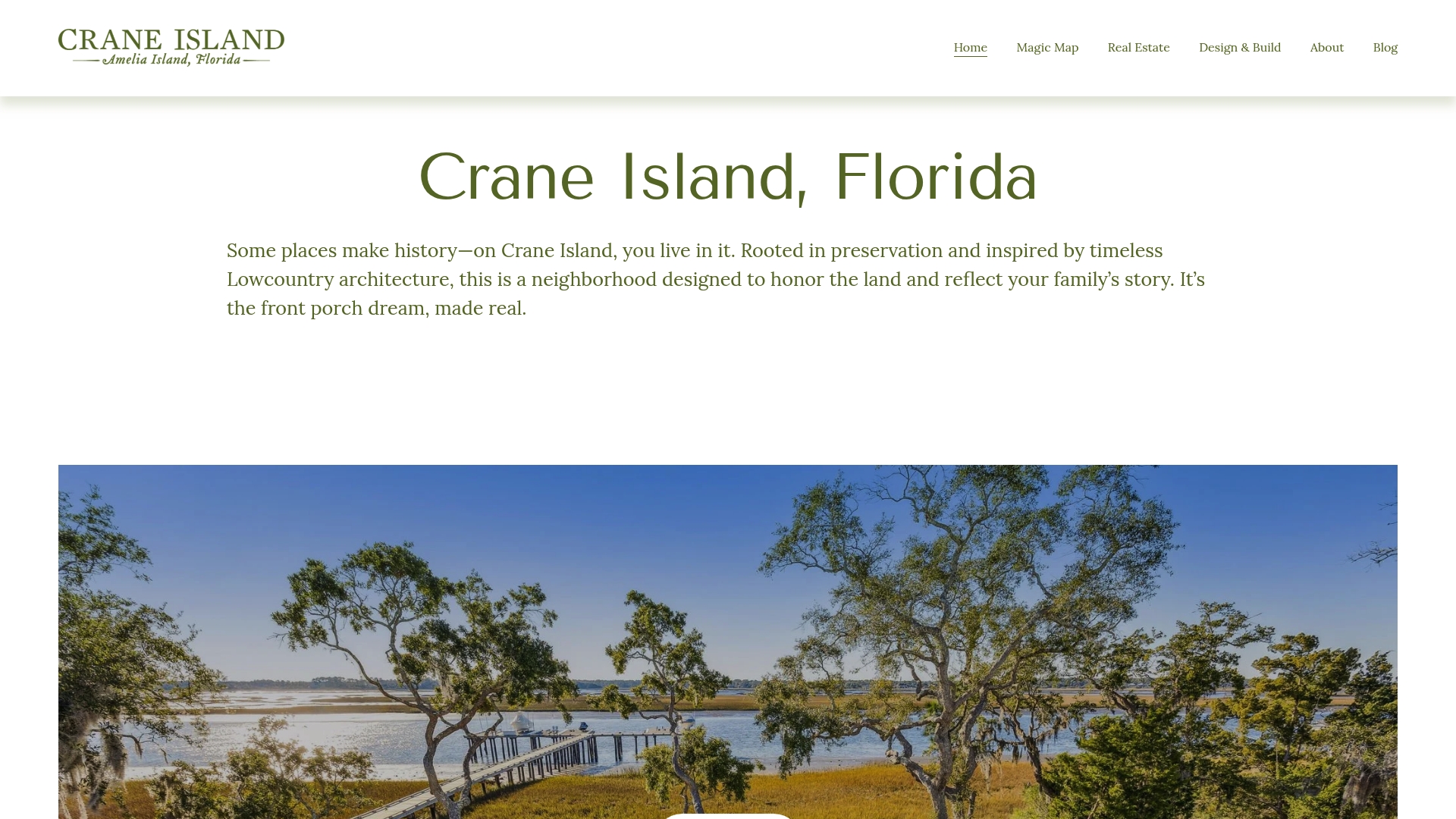
Secure your custom waterfront site today and start shaping your heritage with Craneisland’s exclusive properties and natural surroundings. Visit Craneisland for detailed information and personalized inquiries.
FAQ
What makes Crane Island a suitable choice for luxury coastal living?
Crane Island offers a highly private coastal community with only 112 homesites, promoting long-term estate planning and privacy. The community's focus on Lowcountry architecture and porch-centered living encourages neighbor interaction and outdoor enjoyment. Consider exploring Crane Island for a solid investment in luxury coastal real estate.
How does the community feel of Crane Island compare to Kiawah River?
Kiawah River provides extensive outdoor living options with features like farms, trails, and watersports that emphasize a resort lifestyle. In contrast, Crane Island creates a more private, estate-style atmosphere with only 112 homesites, allowing for a quieter, more personalized residential experience. Both offer unique benefits tailored to different lifestyle preferences.
What amenities can residents expect at Crane Island?
Residents of Crane Island benefit from deep-water access to the Intracoastal Waterway and preserved natural settings that enhance the overall aesthetic and lifestyle. The limited number of homesites allows for a focus on high-quality design and community engagement. Expect a serene environment that fosters relaxation and enjoyment of nature.
When might Kiawah River be more appealing than Crane Island?
Kiawah River may suit buyers who prioritize a vibrant outdoor lifestyle with amenities like farms and indoor wellness programs, which may offer varied recreational opportunities. People looking for structured events and an active community environment could find Kiawah River a better fit than the quieter ambiance of Crane Island.
What type of architectural style does Crane Island promote?
Crane Island emphasizes Lowcountry architecture, with designs that prioritize porches and outdoor living spaces at the heart of home layouts. This architectural focus enhances both aesthetics and functionality, making it a great fit for buyers who appreciate coastal elegance and outdoor engagement.