
The Intracoastal Waterway (ICW) is a 3,000-mile sheltered coastal route running from Boston to Brownsville, Texas, offering retirees one of the most compelling reasons to retire near the Intracoastal Waterway: a lifestyle where natural beauty, boating access, and genuine community converge. Research confirms that coastal blue spaces deliver measurable mental and physical health benefits beyond what parks and greenways provide. Communities like Amelia Island, Palm Coast, and the Coastal Carolinas have built their retirement appeal on exactly this foundation. Whether you are drawn by the quiet rhythm of tidal marshes or the freedom of year-round boating, the ICW offers a retirement setting that rewards both body and spirit.
1. Reasons to retire near the Intracoastal Waterway start with proven health benefits
Living near coastal water is not simply a lifestyle preference. It is a health decision backed by science. A national survey of 95,790 adults found that coastal blue spaces deliver greater mental and physical wellbeing benefits than green spaces like parks and forests. That finding matters enormously for retirees, who are making long-term decisions about where they will spend their most health-sensitive years.
A systematic review of 139 studies confirms that coastal environments are the most frequently studied blue space type, with emotional wellbeing identified as the primary measurable benefit. This means the calming effect you feel watching the tide move through a tidal creek is not anecdotal. It is documented, repeatable, and significant.
"The water does not just look beautiful. It actively works on your nervous system in ways that green environments simply do not replicate at the same scale."
Pro Tip: Plan a daily walking route along the waterway before you commit to a property. The quality of that walk, its ease, its wildlife, its shade, will tell you more about long-term satisfaction than any floor plan.
2. Year-round boating and fishing define the ICW lifestyle
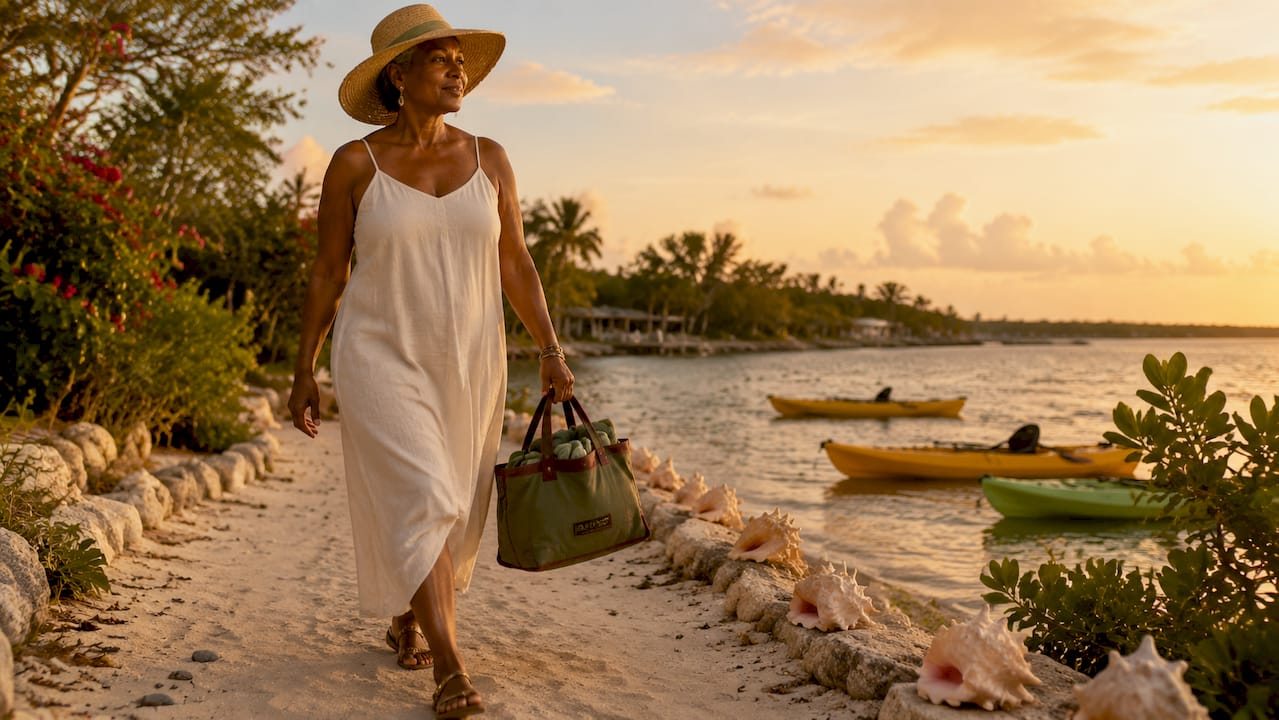
The ICW's sheltered channel means you can take your boat out on days when the open ocean is too rough for safe passage. This is one of the most practical and underappreciated coastal retirement advantages for anyone who wants to boat regularly rather than occasionally. The waterway's protected nature extends your usable season and lowers the skill threshold required for enjoyable outings.
Year-round boating and fishing along the ICW is supported by mild coastal climates, particularly in Florida, Georgia, and the Carolinas. Inshore species like Red Drum and Speckled Trout remain active through winter months, meaning fishing does not stop when the calendar turns. For retirees who want a purposeful daily routine, a morning on the water chasing Speckled Trout is both recreation and ritual.
Key boating lifestyle considerations for ICW retirees:
- Sheltered navigation reduces exposure to open-ocean swells, making smaller vessels practical
- Inshore fishing for Red Drum and Speckled Trout continues through winter in Florida and Georgia
- Mild climate in Amelia Island and the Coastal Carolinas extends the boating season well beyond summer
- Marina access at communities like Grande Dunes and St. James Plantation includes boat storage and club amenities
Pro Tip: Before purchasing, ask specifically whether the community's dock or marina can accommodate your vessel's draft. Tidal variation on the ICW can be significant, and a dock that works at high tide may strand a deeper-draft boat at low.
3. Master-planned communities offer lock-and-leave waterway living
Master-planned communities near the ICW have refined the retirement experience around boating access and low-maintenance living. Communities like St. James Plantation in North Carolina and Grande Dunes in Myrtle Beach combine private marinas, boat clubs, and dry storage with resort-style amenities. This model appeals directly to retirees who want the waterway lifestyle without the burden of maintaining a private dock and vessel year-round.
The lock-and-leave model is particularly valuable for retirees who split time between locations. You can store your boat at the community marina, leave for three months, and return to a vessel that has been maintained and is ready to launch. That convenience is worth examining carefully when comparing waterfront community types along the ICW corridor.
4. Community engagement and outdoor amenities enrich daily retirement life
Proximity to the waterway creates a natural infrastructure for social connection. Palm Coast, Florida, situated along the ICW, offers more than 125 miles of trails, 13 city parks, and multiple public boat ramps. That density of outdoor amenity means retirees have genuine daily options for walking, cycling, kayaking, and wildlife watching without driving to a destination.
That matters because activities at blue spaces, not just proximity to them, explain most of the wellbeing gains research documents. A retiree who walks the waterway trail each morning, watches osprey fish from a dock, and paddles a kayak on weekends is extracting the full health dividend of coastal living. One who simply owns a waterfront home and rarely engages with the water is not.
Communities built around the ICW tend to organize social life around the water itself. Fishing tournaments, sunset cruises, paddleboard groups, and dock gatherings create a social fabric that is harder to replicate in landlocked retirement communities. For retirees who value both activity and connection, this is one of the most durable benefits of intracoastal waterway living.
5. Flood risk and insurance are manageable with the right preparation
Flood risk is real near the ICW, and it deserves honest attention rather than avoidance. The good news is that it is manageable. An Elevation Certificate documents your home's height relative to the Base Flood Elevation established by FEMA, and it is the single most useful document for controlling flood insurance costs on an ICW property.
Here is how the process works in practice:
- A licensed surveyor measures your home's lowest floor elevation and produces the Elevation Certificate.
- You submit the certificate to your flood insurance provider, whether through the National Flood Insurance Program or a private carrier.
- If your home sits above Base Flood Elevation, your premiums drop. The upfront certificate cost is typically recovered within the first year of reduced premiums.
- The certificate also supports LOMA (Letter of Map Amendment) applications, which can remove a property from a high-risk flood zone entirely.
| Flood preparation step | What it accomplishes |
|---|---|
| Obtain Elevation Certificate | Documents building height; supports premium reductions |
| Submit to insurer | Lowers annual flood insurance cost if above Base Flood Elevation |
| Apply for LOMA | Can remove property from mandatory flood insurance zone |
| Review local floodplain rules | Clarifies permitting requirements for renovations and additions |
Properties that have been properly documented and elevated are not financial liabilities. They are well-understood assets. The retirees who run into trouble are those who skip this step and discover their exposure only after purchase.
6. Water access type shapes your daily lifestyle more than location alone
Two homes both described as "on the Intracoastal Waterway" can offer radically different daily experiences depending on how water access is structured. Private docks command the highest price premiums and deliver the most convenience. You walk out your back door, step onto your dock, and you are on the water in minutes. There is no reservation system, no shared schedule, and no waiting.
Community marina access trades some convenience for lower purchase price and shared maintenance costs. Marina slips at well-managed communities still offer excellent access, and the social dimension of a shared marina can be a genuine lifestyle asset. Public boat ramps are the most affordable option but require trailering your vessel and competing for launch space during peak seasons.
| Access type | Daily convenience | Maintenance burden | Price impact |
|---|---|---|---|
| Private dock | Highest | Owner's responsibility | Significant premium |
| Community marina slip | High | Shared, managed | Moderate premium |
| Public boat ramp | Lowest | None | No premium |
Pro Tip: When evaluating a community marina, ask about the ratio of slips to residents and the waitlist length. A marina with 40 slips serving 200 homes is a very different proposition than one with 40 slips serving 60 homes.
For a detailed look at how Amelia Island properties structure water access within gated communities, the range of options is worth studying before you set your priorities.
7. Historic coastal towns add cultural depth to waterway retirement
The ICW does not run through anonymous suburbs. It connects a chain of historic coastal towns, each with its own character, dining culture, and civic life. Fernandina Beach on Amelia Island is one of the most distinctive examples: a Victorian-era downtown with working shrimp docks, independent restaurants, art galleries, and a genuine year-round community rather than a seasonal resort. St. Augustine, Beaufort in South Carolina, and Wilmington in North Carolina offer similar depth.
This cultural richness matters for retirement satisfaction in ways that are easy to underestimate during the property search phase. A beautiful home in a location with nothing to do beyond the water will eventually feel limiting. A home where you can walk to a farmers market, attend a local concert, or volunteer with a historic preservation society gives retirement its texture and meaning. The ICW corridor, at its best, offers both the natural setting and the human community that make a place worth calling home for decades.
Key takeaways
Retiring near the Intracoastal Waterway delivers the strongest lifestyle returns when retirees combine coastal health benefits with active water engagement, sound flood preparation, and the right water access type for their habits.
| Point | Details |
|---|---|
| Coastal blue spaces improve health | Research across 139 studies confirms emotional wellbeing as the primary measurable benefit of coastal environments. |
| Activity amplifies the benefit | Walking, fishing, and wildlife watching at the waterway produce greater wellbeing gains than passive proximity alone. |
| Flood preparation protects investment | An Elevation Certificate lowers insurance premiums and clarifies regulatory standing before purchase. |
| Water access type defines daily life | Private dock, marina slip, and public ramp each offer distinct convenience and cost tradeoffs worth evaluating carefully. |
| Historic towns add lasting satisfaction | ICW communities like Fernandina Beach and Beaufort offer cultural depth that sustains retirement quality over the long term. |
What I have learned from watching retirees choose waterway homes
By John Hillman
After years of observing how retirees settle into waterway communities, the pattern that stands out most is this: the people who thrive are the ones who arrived with a plan for how they would actually use the water, not just a desire to be near it. The ones who struggle bought the view and never built the habit.
The flood risk conversation is the other place where I see avoidable mistakes. Retirees sometimes treat it as a dealbreaker before they understand it, or ignore it entirely because the home is beautiful. Neither response serves them well. An Elevation Certificate and a conversation with a local insurance broker will tell you everything you need to know in an afternoon. That afternoon is worth taking before you make an offer.
My honest recommendation: spend a week in any ICW community you are seriously considering. Not in a hotel. Rent a house, walk the trails, launch a kayak, eat at the local spots, and talk to the people who already live there. The waterway will tell you whether it fits your life. You just have to give it the chance to speak.
— John Hillman
Explore luxury waterway homes on Amelia Island
At Craneisland on Amelia Island, we have built a community around exactly the principles this article describes: direct Intracoastal Waterway access, preserved marshlands and forests, Lowcountry architecture woven into the land, and a porch-centered culture that makes neighbors into friends. With only 14 custom homesites available, each home is designed around the owner's story and the island's natural heritage. If you are ready to see what luxury ICW living looks like when it is done with intention and craft, we would be glad to show you. You can also explore our custom design and build process, tailored specifically for retirees who want a home that honors both their vision and this remarkable place.
FAQ
What is the Intracoastal Waterway?
The Intracoastal Waterway is a 3,000-mile sheltered coastal route along the Atlantic and Gulf coasts of the United States, offering protected navigation for recreational and commercial vessels.
Does living near the ICW actually improve health?
Yes. A national survey of 95,790 English adults found that coastal blue space visits are linked to higher perceived mental and physical wellbeing, with stronger effects than visits to green spaces like parks.
How do I manage flood insurance costs on an ICW property?
Obtain an Elevation Certificate from a licensed surveyor. If your home sits above Base Flood Elevation, submitting the certificate to your insurer typically reduces premiums enough to recover the certificate cost within the first year.
What water access type is best for retirees?
It depends on how frequently you plan to use the water. Private docks offer the most convenience but carry the highest price premium. Community marina slips balance access and cost well for retirees who boat regularly but prefer shared maintenance.
Which ICW communities are best for retirement?
Palm Coast, Florida, Amelia Island, Fernandina Beach, Beaufort in South Carolina, and communities in the Coastal Carolinas consistently rank among the strongest options, combining waterway access, outdoor amenities, and year-round cultural life.
Recommended
- Custom Intracoastal Homes on Amelia Island: A Guide to Gated Waterfront Living in Fernandina Beach — craneisland
- Types of Waterfront Communities on the Georgia Coast
- Benefits of Buying a Coastal Home on Amelia Island
- Beyond 30A: Why Amelia Island and Crane Island Offer the Coastal Life You Were Actually Looking For — craneisland