
Few places in Florida carry their history as visibly as Fernandina Beach. If you have ever wondered what is Fernandina Beach Historic District explained in full, the short answer is this: it is one of the most intact 19th-century port town streetscapes in the American South, officially recognized on the National Register of Historic Places since 1973. But that designation barely scratches the surface. The district is not a museum frozen in amber. It is a living, working neighborhood where Victorian homes stand beside working restaurants, where preservation law shapes daily decisions, and where the architecture tells an economic story most visitors never hear.
Table of Contents
- Key takeaways
- The history behind Fernandina Beach's historic district
- Architecture of the district: styles and standout buildings
- Historic preservation rules every resident should know
- Visiting the district: what to see and experience
- My perspective on what makes this district genuinely remarkable
- Living near history: how Crane Island connects to this legacy
- FAQ
Key takeaways
| Point | Details |
|---|---|
| National recognition since 1973 | The district was listed on the National Register of Historic Places on July 20, 1973, with a major boundary expansion in 1987. |
| Shaped by rail and maritime trade | Railroad access and a thriving shrimping and timber economy drove the town's rapid growth and its distinctive architectural character. |
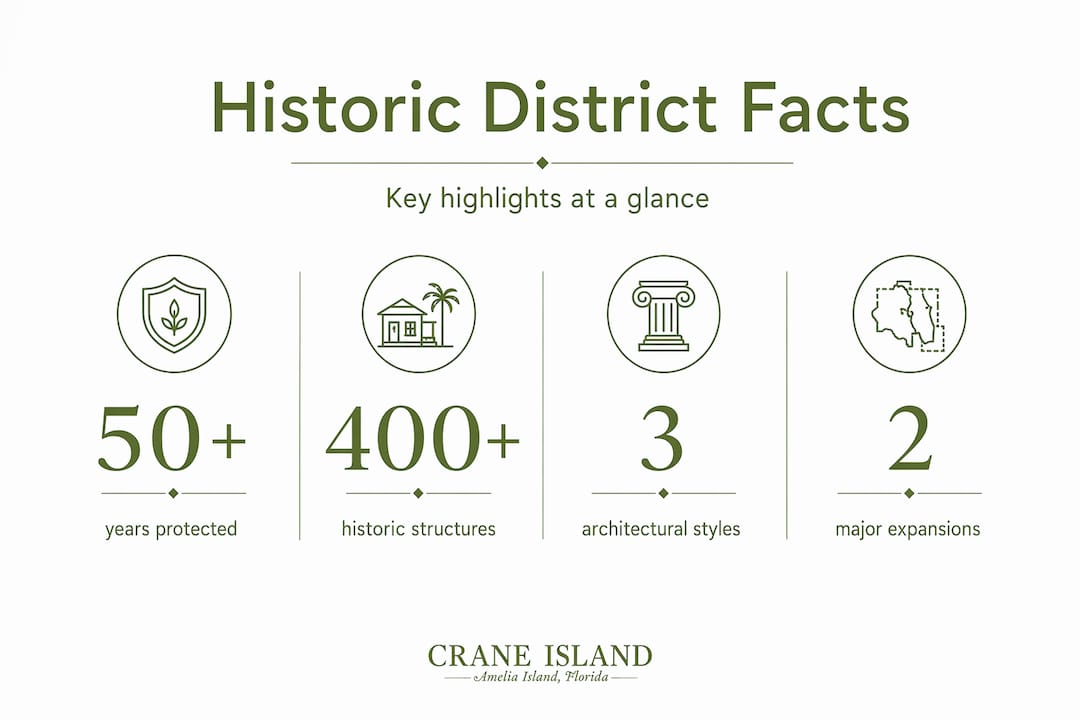
| Over 400 historic structures | Victorian and Frame Vernacular styles dominate, with landmark buildings that anchor the district's physical identity. |
| Preservation rules affect owners | Exterior changes require a Certificate of Appropriateness before any building permit is issued, which affects timelines and budgets. |
| A living cultural destination | The district hosts annual events, walking tours, shops, and museums, making it one of Florida's most rewarding historic areas to visit. |
The history behind Fernandina Beach's historic district
To understand the district, you have to understand what built it. Fernandina Beach did not grow slowly and organically over centuries. It grew fast, driven by two powerful economic engines: the railroad and the sea.
The story begins with David Levy Yulee, Florida's first U.S. Senator, who championed the construction of a cross-state railroad. When the railroad from Fernandina to Cedar Key opened in 1861, it made Fernandina the eastern terminus of the first rail line to cross the Florida peninsula. That single fact transformed the town. Goods, timber, and people moved through Fernandina at a pace the region had never seen.
The original town of Fernandina sat on Old Town, slightly north of its current location. When the railroad arrived, the town's commercial center shifted south to align with the new depot. Streets were platted, lots were sold, and buildings went up quickly. The grid you walk today on Centre Street reflects that deliberate, rail-era planning rather than centuries of gradual settlement.
The maritime economy reinforced everything the railroad started. Fernandina's deep natural harbor made it one of the busiest ports on Florida's Atlantic coast in the late 19th century. Shrimping, timber export, and naval stores created real wealth, and that wealth showed up in the architecture. Merchants and sea captains built substantial homes. Civic institutions built permanent structures. The town looked, and still looks, like a place that believed in its own future.
- The railroad terminus created an immediate commercial district along Centre Street, which remains the spine of the historic area today.
- Maritime prosperity funded the construction of elaborate Victorian residences that still define the residential streetscape.
- The town's relocation southward in the 1850s and 1860s concentrated development in a compact area, which is precisely why so much survives intact.
- Fernandina's economic peak in the 1880s and 1890s coincided with the height of Victorian architectural fashion, giving the district an unusually cohesive visual character.
Pro Tip: If you want to read the district's history in its streets, start at the old railroad depot site and walk north on Centre Street. You are literally retracing the path of 19th-century commerce.
Architecture of the district: styles and standout buildings
The Fernandina Beach Historic District contains well over 400 historic structures, and the architectural variety within that number rewards close attention. Two styles dominate, though they express themselves differently depending on whether you are looking at a civic building, a commercial block, or a private home.
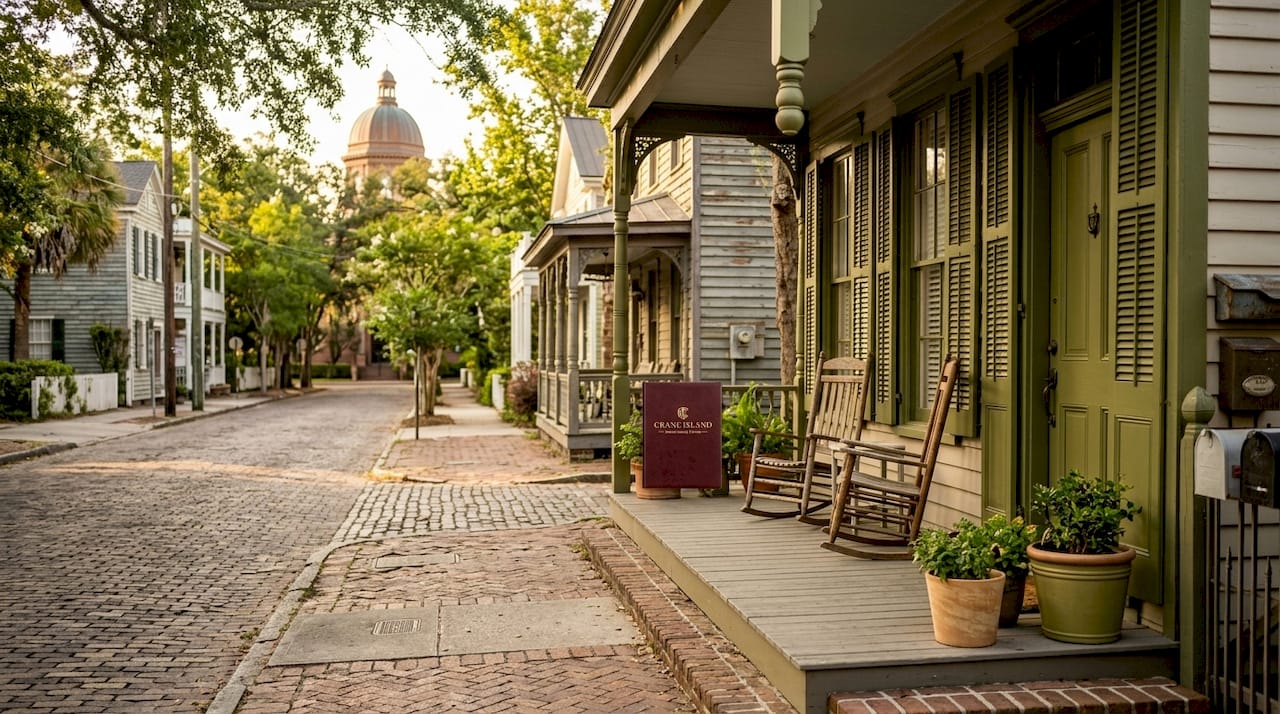
Victorian architecture in Fernandina tends toward the Queen Anne and Italianate variants. You see this most clearly in the elaborate residential homes on Ash and Beech Streets, where wraparound porches, decorative spindle work, and steeply pitched roofs signal the prosperity of the families who built them. These were not pattern-book houses thrown up cheaply. They were statements of permanence and taste.
Frame Vernacular is the more modest counterpart. These are the working-class and middle-class homes that make up the majority of the residential fabric. They borrow decorative elements from Victorian fashion but apply them with restraint, using local materials and straightforward construction methods suited to Florida's climate. The deep porches, high ceilings, and cross-ventilation strategies built into these homes reflect generations of practical knowledge about living in the coastal South.
| Building | Style | Significance |
|---|---|---|
| Nassau County Courthouse | Neoclassical Revival | Civic anchor of the district; constructed in 1891 |
| St. Peter's Episcopal Church | Gothic Revival | One of the oldest congregations in Florida; landmark spire |
| U.S. Post Office | Romanesque Revival | Federal presence reflecting Fernandina's commercial importance |
| Fairbanks House | Queen Anne Victorian | One of the finest surviving examples of the style in Florida |
| Florida House Inn | Vernacular commercial | Florida's oldest surviving hotel, operating since 1857 |
The architects who shaped these buildings were not all local. Several prominent structures reflect the influence of national architectural trends arriving via pattern books and the occasional traveling architect. What makes Fernandina distinctive is how those national styles were adapted to a specific place, a specific climate, and a specific economy. The result is architecture that feels genuinely rooted rather than imported.
The residential streetscape along the historic blocks is particularly worth your time. Trees arch over brick sidewalks. Porches sit close to the street, creating the kind of pedestrian intimacy that most American towns lost decades ago. Walking these blocks, you understand why the district was listed on the National Register of Historic Places as early as 1973, with a significant boundary expansion in 1987 that added roughly 970 acres and approximately 300 more buildings.
Pro Tip: The Fairbanks House on Cedar Street is open for tours and overnight stays. Spending a night there gives you an experience of the district that no walking tour can fully replicate.
Historic preservation rules every resident should know
Living inside a nationally recognized historic district is a privilege. It comes with real responsibilities, and potential residents should understand those responsibilities before they fall in love with a particular property.
The City of Fernandina Beach passed its historic preservation ordinance in 1975, and the framework has been updated and surveyed regularly since, with comprehensive surveys conducted in 1985 and 2007. The ordinance created the Historic District Council, a body that reviews proposed exterior changes to properties within the district's boundaries.
The most important concept for any property owner to understand is the Certificate of Appropriateness. Before the city will issue a building permit for exterior work, you must obtain this certificate. That applies to paint colors, siding materials, window replacements, additions, fencing, and virtually any change visible from the street. Exterior changes require approval before permits are issued, and city preservation staff are available to guide owners through the process.
Here is what that means practically:
- Paint color choices are not entirely your own. They must align with historically appropriate palettes reviewed by preservation staff.
- Window replacements must match the original profiles and materials as closely as possible. Swapping historic wood windows for modern vinyl units is typically not approved.
- Additions must be designed to be distinguishable from the original structure while remaining compatible in scale and material.
- Demolition of contributing structures is strongly discouraged and subject to a lengthy review process.
The review process adds lead time to any renovation project. Historic district renovation reviews focus on preservation of materials, profiles, and finishes rather than standard building codes alone, which means your contractor and your timeline both need to account for that additional layer. Residents who plan well and engage with preservation staff early consistently report smoother experiences than those who treat the Certificate of Appropriateness as an afterthought.
The practical advice here is straightforward: if you are considering purchasing a property in the district, plan renovations early and budget for the possibility that your preferred materials or design choices may require modification.
Visiting the district: what to see and experience
The Fernandina Beach Historic District is one of the most rewarding places to visit in all of Florida, and not because it is polished for tourism. It works as a real place first. That authenticity is precisely what makes it worth your time.
Here is how to make the most of a visit:
- Start with a walking tour. Walking tours led by museum staff connect the district's architecture directly to its history, pointing out details that most visitors walk past without noticing. The Amelia Island Museum of History offers guided options that are genuinely informative rather than performative.
- Walk Centre Street end to end. This is the commercial spine of the district, where you will find independent shops, restaurants, and galleries occupying historic storefronts. The scale is human. Nothing towers over you. Everything feels considered.
- Attend the Isle of Eight Flags Shrimp Festival. Held each May, this is one of the oldest festivals in Florida and draws tens of thousands of visitors. It celebrates the maritime heritage that funded the district's construction. The district's annual cultural events connect living residents to the economic story that built the town.
- Explore the residential blocks east and west of Centre Street. The real character of the district lives in these quieter streets, where Victorian homes sit behind picket fences and the sound of the street fades. This is where the Fernandina Beach history becomes tangible rather than abstract.
- Visit the Amelia Island Museum of History. Housed in a former jail building, the museum provides the chronological framework that makes the architecture around you legible. If you go before your walking tour, everything you see afterward will make more sense.
The district functions as a genuinely mixed-use historic area, combining residential neighborhoods, commercial blocks, civic buildings, and recreational spaces within a walkable footprint. That combination is rarer than it sounds among historic districts in Florida, where preservation often means a single street of storefronts rather than an entire neighborhood.
My perspective on what makes this district genuinely remarkable
I have spent considerable time in historic districts across the American South, and what consistently strikes me about Fernandina Beach is how little it has compromised its character to attract visitors. Most historic districts in Florida have been softened. They have been made easier to consume: better parking, more chain restaurants nearby, signage that explains everything so you do not have to think. Fernandina has largely resisted that.
What I find most underappreciated is the economic coherence of the place. The district is not a random collection of old buildings. It is a preserved record of economic growth that happened in a specific window of time, driven by specific industries, and expressed through specific architectural choices. When you see a Queen Anne house on Ash Street, you are looking at shrimping money and timber money translated into wood and glass. That is a different experience from simply admiring a pretty old house.
For potential residents, my honest advice is this: the preservation rules are not an obstacle. They are the reason the district is worth living in. The Certificate of Appropriateness process can feel slow and occasionally frustrating, but it is the mechanism that keeps your neighbor from replacing their historic windows with aluminum sliders and your street from losing the character that made you want to live there in the first place.
The overlooked detail I always point people toward is the relationship between the district and the water. Fernandina's harbor is still there. The Amelia Island real estate market reflects a community that has never fully turned its back on the sea. That connection to the Intracoastal Waterway and the Atlantic shapes the culture of the place in ways that no preservation ordinance can fully capture. It has to be felt.
— John Hillman
Living near history: how Crane Island connects to this legacy
At Craneisland, we believe that understanding a place's history is the first step toward building a meaningful life within it. The Fernandina Beach Historic District represents exactly the kind of legacy that makes Amelia Island worth calling home. For those drawn to this island's architectural heritage and coastal culture, Crane Island offers a rare opportunity: custom luxury homesites on Amelia Island where Lowcountry architecture meets preserved marshland and direct Intracoastal Waterway access. With only 14 homesites available, each home is built to honor both the land and the owner's personal story. If you are ready to explore what thoughtful coastal living looks like today, our design and build services are a natural next step.
FAQ
What is the Fernandina Beach Historic District?
The Fernandina Beach Historic District is a nationally recognized historic area listed on the National Register of Historic Places since July 20, 1973. It encompasses over 400 historic structures representing Victorian and Frame Vernacular architectural styles shaped by the town's 19th-century railroad and maritime economy.
How large is the historic district?
The initial district covered approximately 1,500 acres, with a boundary expansion in 1987 that added roughly 970 acres and around 300 additional buildings, making it one of the larger historic districts in Florida.
Can you renovate a home inside the historic district?
Yes, but exterior changes require a Certificate of Appropriateness before any building permit is issued. The City of Fernandina Beach's Historic District Council reviews proposed changes for compatibility with preservation guidelines, including materials, paint colors, and window profiles.
What are the best things to see in Fernandina Beach's historic area?
Top experiences include guided walking tours through the Amelia Island Museum of History, exploring Centre Street's historic storefronts, visiting St. Peter's Episcopal Church and the Nassau County Courthouse, and attending the annual Isle of Eight Flags Shrimp Festival each May.
Is Fernandina Beach a good place to live for history lovers?
Absolutely. The district offers a rare combination of intact 19th-century architecture, active preservation oversight, and a genuine mixed-use neighborhood where history is lived rather than merely displayed. For those considering relocation, the Amelia Island community guide offers broader context on what life on the island looks like today.