
Fernandina Beach is defined as one of Florida's most rewarding retirement destinations, where a walkable Victorian downtown meets Atlantic beaches, preserved marshlands, and a genuine year-round community. This fernandina beach retirement lifestyle guide covers everything you need to plan your move with confidence: daily culture, outdoor activities, housing realities, parking logistics, and hurricane preparedness. Whether you are drawn to the heritage architecture of Centre Street, the trails of Fort Clinch State Park, or the quiet rhythm of porch living on Amelia Island, this guide gives you the full picture before you commit.
What the Fernandina Beach retirement lifestyle actually looks like
The heart of daily life here is the historic downtown district, a compact, walkable 50-block Victorian neighborhood centered on Centre Street and the Amelia River waterfront. It is one of the most intact preserved historic downtowns in Florida, with restored Victorian homes, independent boutiques, waterfront restaurants, and marina access all within comfortable walking distance. For retirees, this kind of density is a genuine quality-of-life advantage. You can walk to dinner, the farmers market, and a live music event on the same afternoon without touching your car.
The social calendar here rewards those who show up. The Isle of Eight Flags Shrimp Festival draws tens of thousands each May. The Amelia Island Chamber Music Festival, the Book Festival, and a rotating schedule of art walks and gallery nights fill the calendar from January through December. Fernandina Beach senior living is not passive. Structured participation in hobby clubs, local arts organizations, and community events is what drives retiree satisfaction here, not open-ended socializing alone.
The town divides naturally into two lifestyle zones worth understanding before you choose where to live:
- Historic district: Walkable, character-rich, close to dining and events, but subject to preservation rules and parking constraints
- Resort and golf corridor (Amelia Island Plantation, Summer Beach): More car-dependent, quieter, with resort amenities, golf courses, and newer construction
- Beachside neighborhoods: Direct Atlantic access, strong rental demand, higher flood insurance exposure
- Fernandina Beach city limits: Mix of older neighborhoods, more affordable price points, and proximity to everyday services like Publix and Baptist Medical Center Nassau
Pro Tip: If you value walking to coffee and evening events, prioritize the historic district or Centre Street corridor. If you prefer a quieter pace with resort amenities, the southern end of Amelia Island suits you better. Both offer the Fernandina Beach lifestyle benefits, just at different volumes.
How to build an active retirement around nature and wellness
The outdoor life here is one of the strongest arguments for retiring on Amelia Island. Fort Clinch State Park sits at the northern tip of the island and offers hiking trails, biking paths, Atlantic beach access, and living history programs inside a 19th-century masonry fort. Park admission is $6 per vehicle, making it one of the most affordable recurring activities in your retirement week. A two to three hour visit covers the fort tour, a beach walk, and a trail loop without overextending.
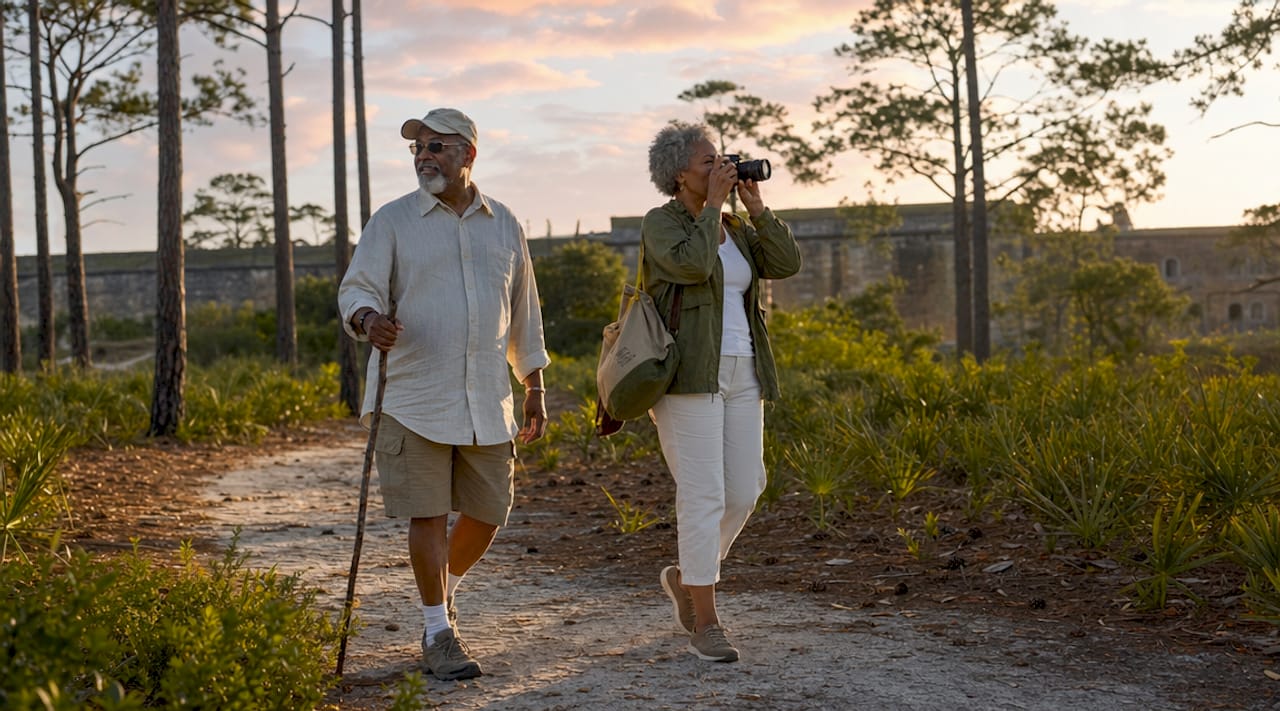
Retirees who blend Fort Clinch hiking with beach time into paced half-day experiences report the highest enjoyment and comfort. This is the right framework for retirement activities in Fernandina: not marathon days, but intentional, layered outings that combine nature, history, and rest.
Here is a practical weekly activity rotation that works well for most retirees:
- Monday or Tuesday: Morning walk on Egan's Creek Greenway, a 318-acre nature preserve with boardwalks and birding trails running through the center of the island
- Wednesday: Farmers market on Centre Street, followed by coffee at a waterfront café
- Thursday: Fort Clinch State Park visit, two to three hours, alternating between the fort tour and beach access
- Friday: Yoga or fitness class at one of several local studios, followed by an afternoon on the Atlantic beach
- Weekend: Attend a local festival, gallery walk, or live music event downtown; reserve one day for rest or a scenic drive along A1A
Fishing from the Amelia River waterfront or the Atlantic surf is another low-impact activity that retirees here genuinely love. Kayaking through the salt marsh creeks behind the island gives you access to dolphin sightings and shorebird habitat that most visitors never see.
Pro Tip: Purchase an annual Florida State Parks pass for $60 per vehicle. It covers Fort Clinch and every other Florida state park, paying for itself in three visits and removing any friction from spontaneous outings.
What retirees should know about housing and daily logistics
Housing in Fernandina Beach spans a wide range of types and price points. Historic district cottages and Victorian homes carry significant character but require careful inspection. Median home prices near the historic core run around $600,000, though condos and smaller properties offer entry points below that figure. The Amelia Island relocation guide provides a thorough breakdown of neighborhood options across the island for buyers comparing locations.
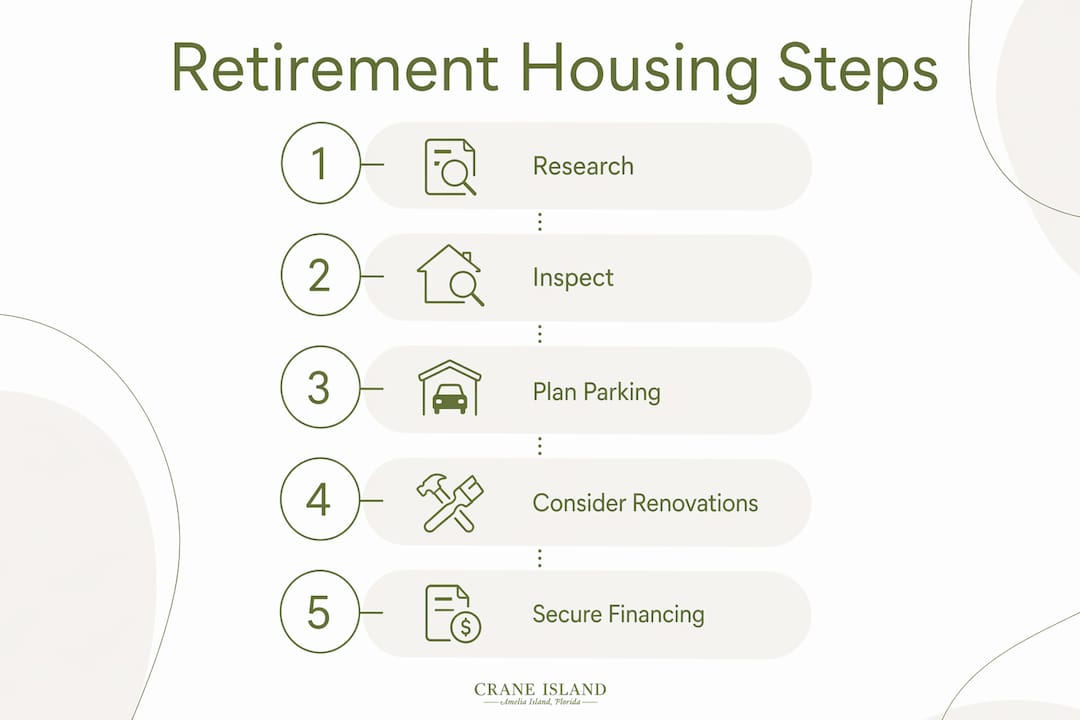
Retirees considering historic district homes should inspect carefully for condition and ask specific questions about flood zones, windstorm insurance costs, and renovation restrictions before making an offer. Historic preservation rules add both time and cost to property upgrades. A bathroom remodel that takes six weeks elsewhere can take six months when it requires approval from the Historic District Council. Flood insurance on an island property can also add several thousand dollars annually to your carrying costs, a figure that surprises many buyers who focus only on the purchase price.
The 2026 paid parking system downtown is a practical reality every resident must plan around. Starting February 16, 2026, Fernandina Beach implemented $2 per hour parking fees with enforcement from 10 a.m. to 8 p.m. Monday through Saturday and 1 p.m. to 6 p.m. on Sundays. City residents receive two free household permits. Non-residents pay $124 for an annual pass. In its first week, the system generated over $100,000 in revenue, confirming that downtown foot traffic remains strong despite the change.
For residents, parking shapes weekly routines in ways worth planning for in advance. The practical approach is to schedule downtown errands and social outings around the enforcement hours, use your resident permit strategically, and walk or bike when weather permits. The historic district living guide covers the full picture of day-to-day logistics for residents considering this neighborhood.
Renovation and mobility access in historic homes also deserves attention before purchase. Preservation laws limit structural changes, which can affect wheelchair ramp installation, doorway widening, and other modifications that become relevant as you age in place. Assessing your long-term mobility needs before signing a contract is not pessimistic. It is practical planning.
What retirees need to know about hurricane season
Atlantic hurricane season runs from June 1 through November 30, with peak activity around September 10 each year. The 2026 season carries a below-normal forecast, but NOAA and the National Hurricane Center consistently urge Florida residents to prepare regardless of seasonal outlooks. A below-normal season still produces storms, and Amelia Island's coastal position means any storm tracking up the Florida coast warrants attention.
"Hurricane preparedness is a yearly commitment even when seasonal forecasts are mild. Retirees and second-home owners should have staged supplies and a written evacuation plan ready before June 1."
The practical preparation list for retirees in Fernandina Beach includes:
- Staged supply kit: Water, medications, non-perishable food, flashlights, and a battery-powered weather radio stored and ready by May 31
- Written evacuation plan: Know your evacuation zone (Nassau County publishes zone maps), your designated shelter, and your route north on I-95
- Insurance review: Confirm your windstorm and flood coverage limits annually, not after a storm is named
- Home hardening: Storm shutters or impact glass, secured outdoor furniture, and a generator if you rely on medical equipment
- Communication plan: Designate an out-of-state contact and share your plan with family members
The community support structure here is genuine. Nassau County Emergency Management maintains active communication channels, and the Fernandina Beach community has a long history of neighbors looking out for neighbors during storm events. That said, personal preparedness is the foundation. Community support supplements your plan. It does not replace it.
Key takeaways
Fernandina Beach retirement rewards those who prepare thoroughly, engage actively with the community, and respect the practical realities of island living alongside its considerable beauty.
| Point | Details |
|---|---|
| Historic downtown walkability | Centre Street and the Amelia River waterfront offer dining, events, and daily errands on foot. |
| Active outdoor lifestyle | Fort Clinch State Park, Egan's Creek Greenway, and Atlantic beaches support paced, rewarding daily activity. |
| Housing due diligence | Inspect for flood zones, windstorm insurance costs, and preservation restrictions before purchasing historic homes. |
| Parking planning | City residents receive two free permits; plan downtown outings around the 10 a.m. to 8 p.m. enforcement window. |
| Hurricane readiness | Prepare supplies and an evacuation plan before June 1 every year, regardless of seasonal forecasts. |
Why the logistics matter as much as the lifestyle
I have spent considerable time studying retirement communities along the Florida coast, and Fernandina Beach stands apart in one specific way: the gap between what draws people here and what actually shapes their daily experience is wider than in most places. The Victorian streetscapes and Atlantic light are genuinely beautiful. The community is warm and engaged. But the retirees who thrive here long-term are the ones who did their homework on the practical side before they arrived.
The paid parking system is a good example. It generated real friction when it launched in February 2026, but residents who planned around it adapted quickly. The ones who were caught off guard found it more disruptive than it needed to be. The same pattern holds for historic home renovation timelines and flood insurance costs. These are not reasons to avoid Fernandina Beach. They are reasons to go in with clear eyes.
What I find most compelling about this place is the combination of genuine natural beauty and a social culture that rewards participation. The Amelia Island lifestyle is not something you observe from a distance. You earn it by showing up at the farmers market, joining the birding walk at Egan's Creek, and learning the rhythms of the tides. Retirees who do that consistently report a quality of life that is hard to replicate anywhere else on the East Coast.
The financial preparation matters too. Understanding Florida mortgage considerations specific to coastal and historic properties can save you significant money and frustration before closing. Do not skip that step.
— John Hillman
Crane Island: waterfront living woven into Amelia Island's heritage
Craneisland sits on the western edge of Amelia Island, where the Intracoastal Waterway frames every morning and the preserved marshlands hold the kind of quiet that most coastal communities have long since traded away. With only 14 custom homesites available, Crane Island offers something genuinely rare: the chance to build a home that honors your personal story within a community that honors the land itself. Lowcountry architecture, porch living, and direct waterway access place you minutes from Fernandina Beach's historic downtown while giving you a private retreat that feels worlds apart. If you are ready to explore luxury waterfront homes on Amelia Island, we would love to show you what is possible here.
FAQ
What makes Fernandina Beach a good place to retire?
Fernandina Beach combines a walkable historic downtown, Atlantic beaches, Fort Clinch State Park, and a year-round community calendar that supports active, engaged retirement living. The town's scale and character make it one of Florida's most distinctive retirement destinations.
How much does it cost to live in Fernandina Beach as a retiree?
Median home prices near the historic core run around $600,000, with condos offering lower entry points. Retirees should also budget for flood insurance, windstorm coverage, and the new $2 per hour downtown parking fees when calculating total cost of living.
What outdoor activities are available for retirees in Fernandina Beach?
Fort Clinch State Park offers hiking, biking, beach access, and living history tours at $6 per vehicle. Egan's Creek Greenway, Atlantic surf fishing, kayaking through salt marsh creeks, and yoga on the beach round out the retirement activities in Fernandina.
When is hurricane season in Fernandina Beach?
Hurricane season runs June 1 through November 30, with peak activity typically around September 10. Retirees should have supplies staged and an evacuation plan written before June 1 each year.
How does the 2026 paid parking system affect Fernandina Beach residents?
City residents receive two free household parking permits under the new system. Paid enforcement runs 10 a.m. to 8 p.m. Monday through Saturday, so planning downtown outings around those hours or using your resident permit keeps the experience manageable.