
A preservation-based community is a neighborhood where private homeownership comes with legally binding conservation obligations, so you live within intentionally protected open space rather than simply adjacent to it. If your family values daily contact with nature, accepts deed restrictions, and wants governance that prioritizes long-term stewardship over short-term convenience, this housing model is worth serious consideration.
A few things to know before you go further:
- Residents partner formally with a conservancy or land trust, not just a standard HOA.
- Conservation easements recorded on property deeds restrict what you can build or alter, permanently.
- Communities range from coastal Lowcountry developments like Craneisland to regenerative mixed-income villages like Pangea Community in New Mexico.
- More than 900 municipalities, neighborhoods, counties, and tribes have earned Preserve America Community recognition, signaling how broadly Americans are embracing heritage-centered living.
- Stewardship is active, not passive. Residents typically volunteer for trail maintenance, wildlife monitoring, and design review committees.
This guide covers every model, every major evaluation criterion, and one detailed case study so you can decide with confidence.
Table of Contents
- What does "preservation-based" actually mean for buyers?
- What models exist, and which fits your family?
- How do you evaluate a preservation community before buying?
- What does daily life actually look like?
- Craneisland: a coastal preservation community in practice
- How do you find and join a preservation community in the U.S.?
- What do these communities cost, and are they affordable?
- What legal and zoning rules govern these communities?
- Key Takeaways
- Why preservation-first living is worth the tradeoffs
- Craneisland: preservation-focused coastal living with 14 homesites
- Useful sources
- FAQ
What does "preservation-based" actually mean for buyers?
The phrase describes a private-lands conservation model: you own your homesite outright, but a portion of the surrounding land is governed by a conservation easement held by a third-party conservancy or land trust. That easement is a legal instrument, recorded in the county deed records, that permanently limits development on protected parcels. The Santa Lucia Preserve in California demonstrates the model at scale: 90% of its lands are preserved as open space, with more than 10,360 acres conveyed in fee to the Santa Lucia Conservancy.
Day-to-day, this translates into CC&Rs (Covenants, Conditions, and Restrictions) that govern exterior paint colors, landscaping choices, lighting levels, and even fence heights. A professional design committee, like the one The Sea Ranch has maintained for decades, reviews all construction and landscaping plans against a community design manual. These are not suggestions. Violations can trigger legal action by the conservancy or HOA.
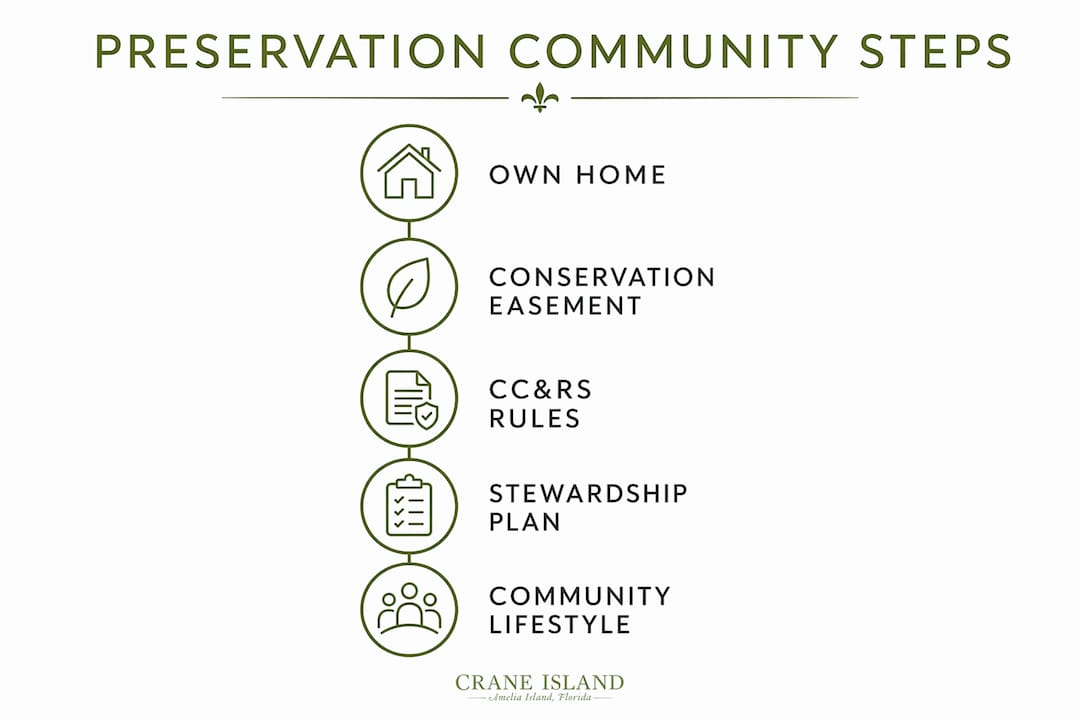
The trust signals that distinguish a genuine preservation community from marketing copy: a named third-party conservancy holding the easement, a published stewardship plan with monitoring schedules, a funded endowment or revolving fund for long-term maintenance, and transparent HOA governance documents available to prospective buyers before closing.
Pro Tip: Ask the developer or listing agent for the recorded easement document, not just a summary brochure. The easement language itself tells you what is permanently protected and who enforces it.
What models exist, and which fits your family?
Conservation communities in the U.S. cluster into four recognizable models, each with a different balance of access, affordability, and governance intensity.
| Model | Primary Focus | U.S. Example | Affordability |
|---|---|---|---|
| Private lands conservation | Ecological preservation via easements | Santa Lucia Preserve, CA | Luxury to upper-mid |
| Historic preservation | Heritage assets, adaptive reuse | Preserve America Communities | Varies widely |
| Regenerative / mixed-income | Integrated food, energy, workforce housing | Pangea Community, NM | Intentionally inclusive |
| Intentional conservation neighborhood | Shared stewardship, energy-efficient homes | Kenney Ridge | Mid-range |
- Conservation neighborhoods like the Santa Lucia Preserve pair private homesites with a conservancy that holds easements over the surrounding wildlands. Access to green space is generous but governed by management plans.
- Historic-preservation communities draw on Preservation Pennsylvania's framing of preservation as active community participation, not just aesthetic conservation. These communities often include adaptive reuse of historic structures alongside new infill.
- Regenerative villages like Pangea Community in Taos County embed mixed-income housing and permanently preserved common land into a single master plan, making sustainability accessible across income levels.
- Intentional conservation neighborhoods such as Kenney Ridge place common land and trails under conservation easement and encourage energy-efficient, site-appropriate homes through resident-led stewardship.
The Sea Ranch in Sonoma County sits somewhat apart from all four: its "living lightly on the land" philosophy is enforced entirely through owner covenants and a design manual, with no separate conservancy holding easements. It remains one of the most studied examples of design-covenant governance in American residential history.
How do you evaluate a preservation community before buying?
The documents that matter most, in priority order:
- The recorded conservation easement (not a summary).
- The CC&Rs and any design guidelines or manual.
- The stewardship plan, including monitoring schedules and ecological goals.
- HOA budget, reserve study, and endowment or revolving fund balance.
- Any management agreement between the HOA and the conservancy.
| Evaluation Area | What to Check | Red Flag |
|---|---|---|
| Easement language | Scope, enforcer, amendment process | Vague or easily amended terms |
| Stewardship funding | Endowment balance, revenue sources | No dedicated fund |
| Access rights | Common area vs. protected zone boundaries | Unclear or undocumented |
| Governance | Published minutes, committee structure | Nontransparent or inactive board |
| Short-term rentals | HOA rental policy | Permissive rules that undermine community stability |
Management plans typically separate common areas from protected zones, so not every green space you see on a site map is accessible to residents. Verify the boundary lines before you fall in love with a view.
Financial resilience often depends on a mixed revenue approach: homeowner assessments, on-site income from farms or event spaces, and an endowment or revolving fund that covers stewardship costs even when occupancy dips. A community with no dedicated stewardship fund is carrying a structural risk that will eventually land on residents.
Pro Tip: Interview a current resident, not just the sales team. Ask specifically whether the stewardship budget has ever been cut and whether the conservancy has issued any compliance notices.
What does daily life actually look like?
Life in a conservation community is quieter, darker at night, and more governed than most suburban neighborhoods. That is the point, and it is worth sitting with before you commit.
Typical governance structures include a design review committee that must approve any exterior modification, a stewardship committee that organizes volunteer days for trail maintenance and wildlife monitoring, and resident-led groups managing shared agricultural spaces or community gardens. Meetings are regular and attendance is culturally expected, even when not legally required.
The most rewarding aspect of preservation-based living is the shared sense of responsibility. When your neighbors care as deeply about the marsh at the edge of the property as you do, the community becomes something more than a collection of houses. It becomes a place with a purpose.
Tradeoffs are real. Exterior lighting is typically limited to protect dark skies and wildlife. Backyard modifications, from fences to outbuildings, require committee approval. Roads are often narrower and slower by design. Families with children tend to find these constraints freeing rather than limiting, because the preserved open space becomes the backyard.
Demographics skew toward homeowners who have actively chosen stewardship as a lifestyle value, which creates a community culture that is engaged, opinionated, and deeply invested in the land.
Craneisland: a coastal preservation community in practice
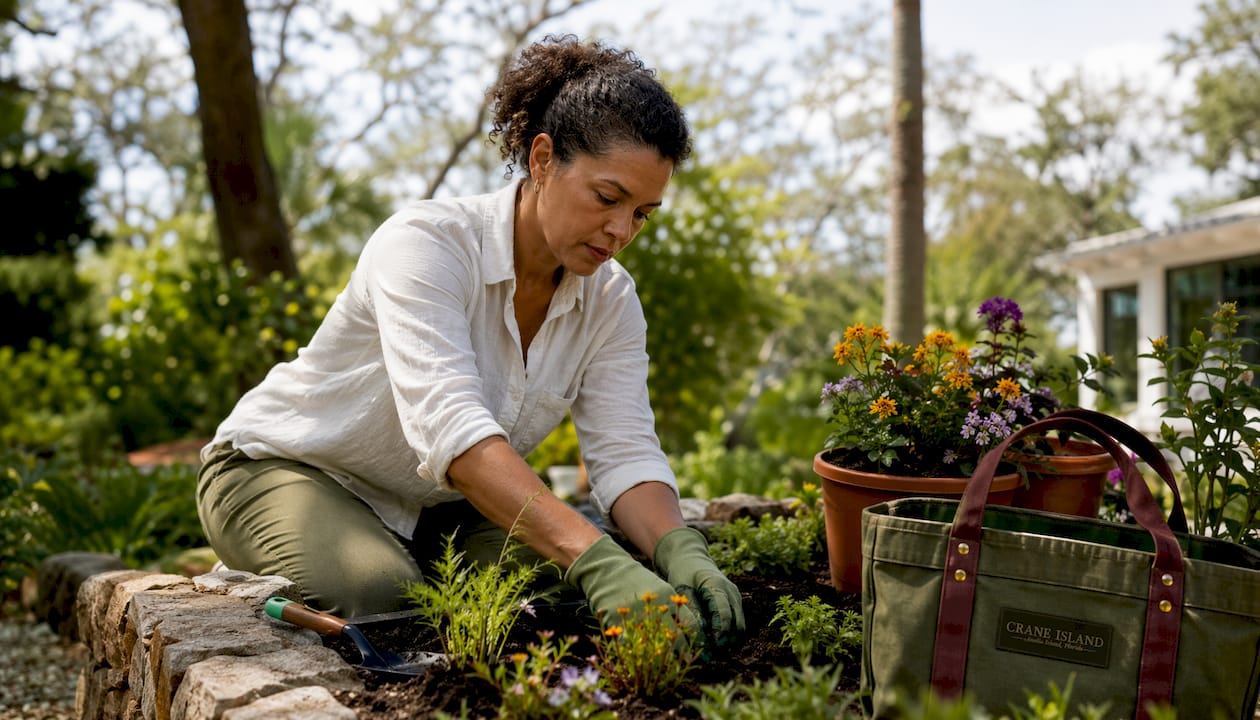
Craneisland on Amelia Island, Florida, offers one of the clearest illustrations of how preservation-first design shapes a residential community from the ground up. With only 14 homesites available for custom homes, the community limits density by design, preserving the marshlands, forests, and coastal viewsheds that define the island's character.
Lowcountry architecture is not decorative here. Homes are designed to sit within the land rather than impose on it, with porches oriented toward preserved natural views and materials chosen to weather gracefully alongside the coastal environment. Residents have direct access to the Intracoastal Waterway and the historic culture of Fernandina Beach, connecting daily life to both the natural and built heritage of the region.
At Craneisland, the porch is not an afterthought. It is the true living room, the place where the marsh, the light, and the neighbors all come together. That is what preservation-first design makes possible.
| Craneisland Feature | What It Signals |
|---|---|
| 14 homesites only | Density controlled by design, not just regulation |
| Lowcountry architecture covenants | Aesthetic and ecological character protected long-term |
| Preserved marshlands and forests | Active habitat stewardship, not decorative greenery |
| Intracoastal Waterway access | Ecological connectivity and resident lifestyle benefit |
| Fernandina Beach proximity | Cultural heritage integrated into daily life |
On a site visit, ask to see the stewardship reports, the recorded easement language, sample CC&Rs, and the community calendar. Walk the defined trails and verify where the protected zones begin. For deeper context on Lowcountry community design, Craneisland's published comparisons offer useful framing.
Pro Tip: Attend a community gathering if your visit timing allows. The social culture of a preservation community is as important as the legal documents, and you will learn more in one hour with residents than in a week of reading brochures.
How do you find and join a preservation community in the U.S.?
- Clarify your non-negotiables: coastal vs. inland, historic vs. ecological, luxury vs. mixed-income.
- Compile your document checklist (easement, CC&Rs, stewardship plan, HOA budget).
- Search through conservancy partners: the National Trust for Historic Preservation, regional land trusts, and state preservation organizations surface vetted communities.
- Book site visits and request meetings with stewardship staff, not just sales representatives.
- Attend a community meeting or volunteer day if possible.
- Engage a real estate agent with conservation-easement experience. Lenders also need familiarity with deed restrictions, as easements can affect appraisal values and loan underwriting.
For families considering conservation communities in Florida, state-specific regulatory context matters. Florida's growth management framework and coastal zone regulations interact with community-level easements in ways a standard residential agent may not anticipate.
A knowledgeable local agent, such as those listed through Orange County real estate resources, can help you navigate deed-restriction disclosures and lender requirements specific to conservation properties.
What do these communities cost, and are they affordable?
Preservation communities span a wide price range. The Santa Lucia Preserve and Craneisland sit at the luxury end, where limited homesites and high stewardship standards are reflected in land prices. Kenney Ridge and similar intentional conservation neighborhoods occupy the mid-range, with energy-efficient homes and shared stewardship keeping costs more accessible.
Regenerative models like Pangea Community represent the most intentional affordability effort: workforce and senior housing are embedded in the master plan, and permanently preserved common land keeps the community economically resilient over time. Pangea's leaders argue that sustainability must be accessible, not reserved for buyers who can afford a conservation premium.
HOA assessments in preservation communities typically run higher than in standard subdivisions because they fund stewardship activities, trail maintenance, and conservancy partnerships that a conventional HOA does not carry. Budget for this line item carefully, and verify whether the assessment covers the full stewardship program or whether a separate conservation fee applies.
What legal and zoning rules govern these communities?
Conservation easements are the foundational legal instrument. Once recorded, they run with the land permanently, binding every future owner to the same restrictions the original developer accepted. The enforcing party, usually a conservancy or land trust, has standing to sue for violations. Buyers' property deeds are often linked to conservation obligations that prevent independent development of easement lands.
Zoning adds another layer. Many preservation communities sit in agricultural, rural, or coastal overlay zones that independently restrict density, impervious surface coverage, and building height. These zoning rules may overlap with, reinforce, or occasionally conflict with the community's own CC&Rs. A real estate attorney familiar with conservation transactions should review both the easement and the applicable zoning before you close.
Historic-preservation communities carry additional considerations. Properties within a designated historic district, whether local, state, or National Register, may require approval from a historic preservation commission for exterior alterations, independent of the HOA's design review process.
This article is general information, not legal or financial advice. Confirm current easement terms, zoning rules, and financing requirements with a qualified attorney and lender for your specific situation.
Key Takeaways
Preservation-based communities pair private homeownership with legally binding conservation obligations, and the quality of that legal framework, specifically the easement language and stewardship funding, determines whether the community thrives for generations.
| Point | Details |
|---|---|
| Easement quality is everything | Read the recorded easement document, not just the brochure, before making any offer. |
| Stewardship funding matters | Look for a dedicated endowment or revolving fund; communities without one carry long-term financial risk. |
| Models vary widely | From luxury coastal communities like Craneisland to mixed-income regenerative villages like Pangea Community, the right fit depends on your priorities. |
| Access rights need verification | Management plans separate common areas from protected zones; confirm boundaries before you fall in love with a view. |
| Santa Lucia Conservancy sets the standard | With 90% of its lands preserved and a named conservancy holding easements, it remains the benchmark for private-lands conservation models. |
Why preservation-first living is worth the tradeoffs
The conventional wisdom about preservation communities is that the restrictions are the price you pay for the scenery. That framing gets it backwards.
The deed restrictions, the design covenants, the stewardship volunteer days — these are not inconveniences layered onto a beautiful place. They are the mechanism that keeps the place beautiful. Communities that treat conservation as a marketing backdrop rather than a legal and financial commitment tend to drift over time: easements get amended, stewardship funds get raided, and the marshland that sold the first buyers eventually becomes a view corridor for a parking lot.
What families consistently underestimate is the social dimension. Living alongside neighbors who have all accepted the same constraints, and who chose those constraints deliberately, creates a community culture that is genuinely rare in American residential life. The governance meetings are real work. The volunteer days are real time. And the result is a neighborhood where people know each other because they are building something together, not just living next to each other.
The communities worth your attention are the ones where the conservancy is named, the easement is recorded, the stewardship fund is funded, and the residents can tell you exactly what they steward and why. Everything else is a brochure.
Craneisland: preservation-focused coastal living with 14 homesites
Craneisland on Amelia Island offers something genuinely rare: a luxury coastal community where the conservation commitment is built into the land itself, not added as an amenity. With only 14 custom homesites surrounded by preserved marshlands and forests, and direct access to the Intracoastal Waterway, this is a community designed for families who want their home to honor the land it sits on.
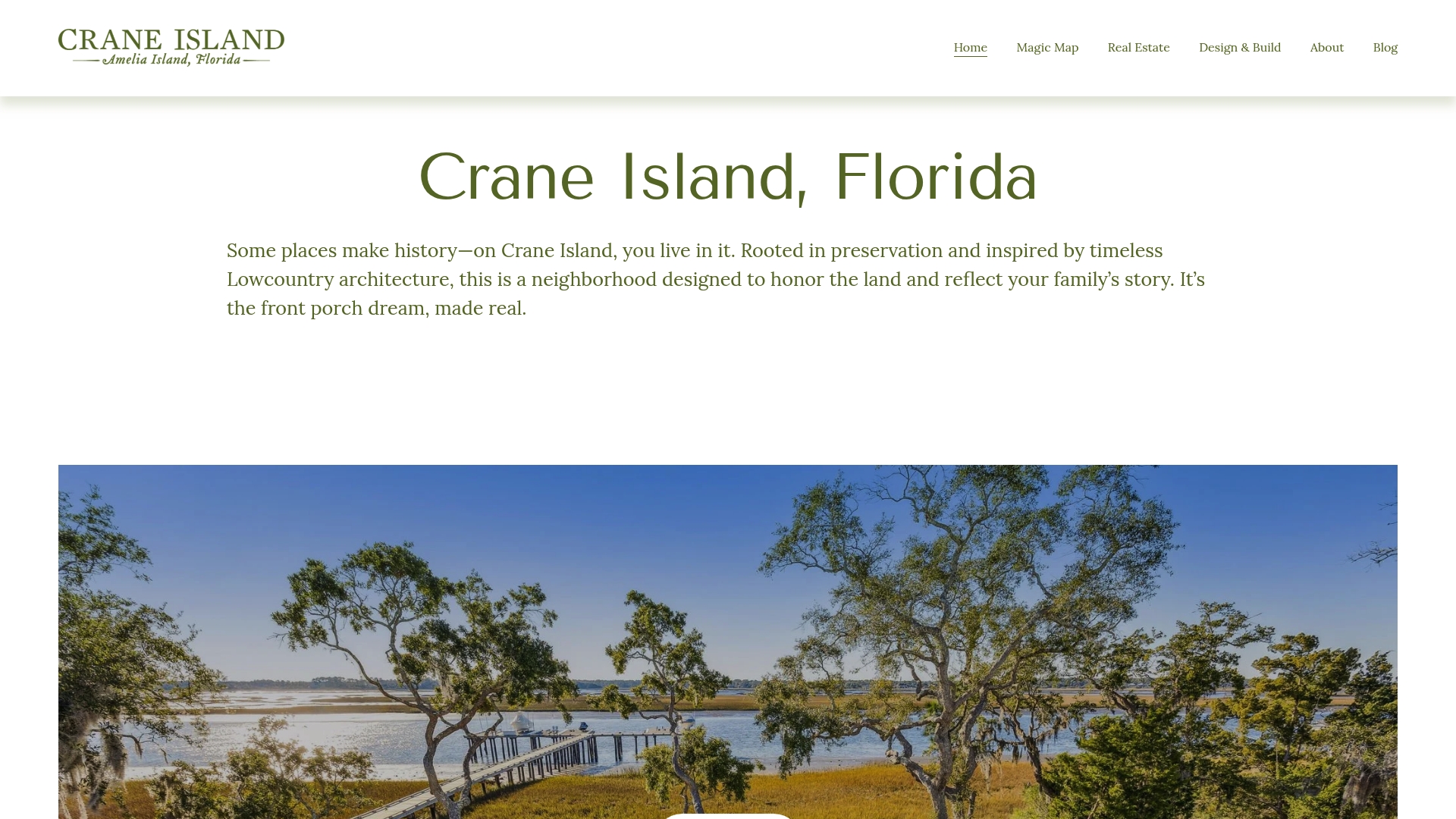
Porch living, Lowcountry architecture, and proximity to historic Fernandina Beach give daily life a texture that standard coastal developments simply cannot replicate. If you are ready to explore what owning property on Amelia Island looks like, request the stewardship documents, review the CC&Rs, and book a site visit. The homesites are limited, and the community calendar fills quickly. Contact the Craneisland listing team at craneisland.com to start the conversation.
Useful sources
Authoritative resources for deeper research on conservation communities, easements, and preservation policy:
- Santa Lucia Conservancy: The benchmark private-lands conservation model; 90% preserved open space with a named conservancy holding easements.
- Preservation Pennsylvania: Frames historic preservation as active community participation and sustainable growth, not just aesthetic conservation.
- Pangea Community: Regenerative, mixed-income community in Taos County, New Mexico; permanently preserved common land with integrated workforce and senior housing.
- The Sea Ranch Association: Decades of design-covenant governance; the standard reference for CC&R-based environmental character protection.
- Kenney Ridge Community: Small intentional conservation neighborhood with conservation easements on common land and energy-efficient building standards.
- Preserve America Communities (ACHP): Federal recognition program for communities using historic assets for economic development and heritage tourism.
- National Trust for Historic Preservation: The leading national advocacy organization for historic places; useful for finding recognized preservation communities by region.
FAQ
What is a preservation-based community?
A preservation-based community is a residential development where private homeownership is paired with legally binding conservation obligations, typically through conservation easements held by a third-party conservancy, so that surrounding open space is permanently protected.
How do conservation easements affect a home purchase?
Easements are recorded on the property deed and bind every future owner to the same restrictions, limiting what can be built or altered on protected land. Buyers should have a real estate attorney review the easement language before closing.
Are preservation communities affordable for average families?
They range widely. Luxury models like Craneisland and the Santa Lucia Preserve sit at the higher end, while regenerative communities like Pangea Community in New Mexico intentionally integrate mixed-income and workforce housing to keep sustainability accessible.
What documents should I request before buying into one of these communities?
Request the recorded conservation easement, the CC&Rs, the stewardship plan with monitoring schedules, the HOA budget, and any management agreement between the HOA and the conservancy.
Can I modify my home in a preservation-based community?
Exterior modifications typically require approval from a design review committee and must comply with the community's design guidelines. Some changes may also require review by a historic preservation commission if the property sits within a designated historic district.