

What makes a coastal community truly walkable?
Walkable coastal communities are luxury residential neighborhoods where pedestrian access to daily amenities, natural spaces, and social gathering points sits within a comfortable radius of your front door. The distinction matters more than it might first appear. True walkability demands integrated daily necessities — grocery, dining, civic spaces, and trails — within a 10–15-minute walk from home. Beach proximity alone does not deliver that.
For affluent buyers, this distinction reshapes how a home actually feels to live in. A community with a thoughtful pedestrian framework transforms the ordinary rhythms of a day — morning coffee, an afternoon walk through preserved marshland, an evening meal with neighbors — into something genuinely pleasurable. Walk Score, the most widely used pedestrian access metric in the United States, offers a useful starting point, though it rewards density over coastal character. Old Naples, Florida earns a Walk Score of 58, indicating moderate pedestrian access to local amenities., placing it among the more walkable coastal neighborhoods in the state, yet even that figure reflects only moderate access.
The communities that resonate most deeply with luxury buyers tend to share a recognizable set of qualities:
- Pedestrian paths and boardwalks woven through the neighborhood fabric
- Daily amenities — dining, markets, fitness, galleries — within a short walk
- Natural features such as marshlands, dune walkovers, and waterfront trails integrated into the layout
- A compact, human-scaled design that discourages car dependency within the community
- Shared green spaces and civic areas that invite spontaneous social connection
- Architecture oriented toward the street and landscape, not the garage
How design principles shape walkable luxury coastal living
The most enduring walkable coastal communities did not arrive at their character by accident. They were built on deliberate planning philosophy, most notably New Urbanism, which prioritizes human-scaled development through narrow streets, small lots, and front porches that make the pedestrian experience central to daily life rather than incidental to it.
The practical expression of these principles is visible in communities along Florida's Highway 30A. Alys Beach and Rosemary Beach integrate public and private spaces so that residents step directly from their homes into common greens, boardwalks, and pedestrian lanes. Cars are routed to rear alleys or designated parking courts, keeping the main experience focused on people rather than traffic. Alys Beach, founded on New Urbanist principles by architecture firm Duany Plater-Zyberk, restricts vehicles to designated areas entirely, with every residence certified to Florida Green Building Coalition standards for energy efficiency and hurricane resilience.
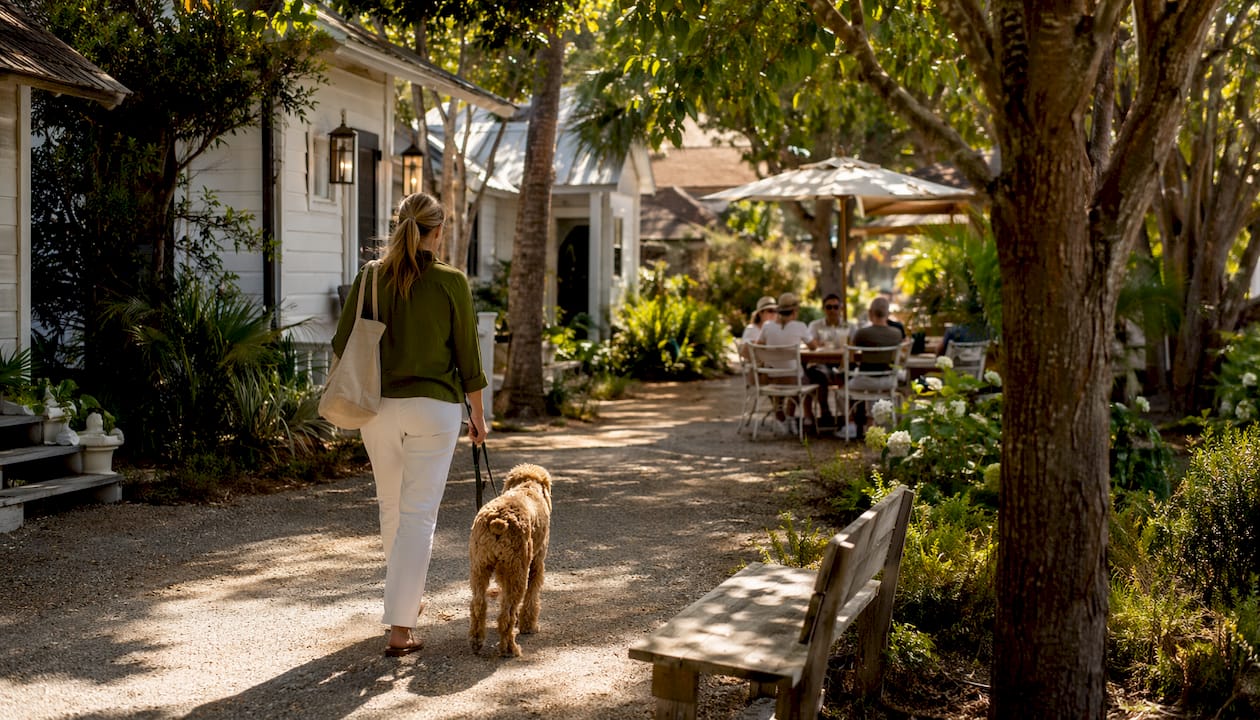
Traffic-calming strategies such as buffered sidewalks, on-street parking as a pedestrian buffer, and hidden car storage preserve both safety and natural aesthetics without artificial barriers. The result is a neighborhood that feels open and unhurried rather than engineered. You can read more about how these principles translate to Florida's coastal context in this New Urbanism Florida guide.
Key design features that define walkable luxury coastal communities can be explored in private listings highlighting key advantages for Côte d'Azur buyers:
- Narrow, tree-lined streets that slow traffic and invite walking
- Front porches and stoops oriented toward shared paths, not driveways
- Mixed-use cores with dining, retail, and civic spaces within the neighborhood footprint
- Rear alleys or carriage houses that remove cars from the primary streetscape
- Continuous pedestrian connections linking residential zones to waterfront access
Pro Tip: When evaluating a coastal community's walkability, walk the neighborhood at different times of day. A well-designed pedestrian framework feels equally inviting at 7 AM and 7 PM — and the presence of neighbors out on their porches or paths is the most honest signal of genuine community life.
Why walkability changes how you experience coastal living
The lifestyle shift that walkable waterfront neighborhoods offer goes well beyond convenience. Luxury buyers are drawn to these communities because they transform routine errands into scenic, enjoyable experiences by integrating galleries, local markets, and fitness within a compact footprint. The morning walk to a local bakery, the afternoon stroll past preserved marshland, the evening gathering on a neighbor's porch — these become the texture of daily life rather than occasional pleasures.
Healthy coastal communities built on pedestrian-first design also tend to generate stronger social bonds. Walkability engages residents in their environment, moving beyond convenience to create daily social encounters that nurture community bonds naturally. Rosemary Beach's year-round Sunday farmers market, community concerts, and green-space movie nights illustrate how a well-designed pedestrian community keeps social life alive across every season. The neighborhood also features a 2.3-mile fitness trail using sand paths and boardwalks with four fitness stations, so recreation stays woven into the daily rhythm rather than requiring a separate trip.
Car-light living is the realistic standard for the best walkable beach towns. Residents conduct most daily activities on foot within the community while retaining a vehicle for regional errands. That balance suits affluent buyers well — it offers the ease of a pedestrian lifestyle without the constraints of a fully car-free environment.
Top lifestyle benefits residents consistently value:
- Daily access to dining, coffee, and local markets without driving
- Fitness trails, bike paths, and beach walkovers integrated into the neighborhood
- Regular community events that create a sense of belonging year-round
- Reduced reliance on the car for the activities that define daily coastal life
- A slower, more attentive relationship with the natural environment
Crane Island: where walkability, nature, and legacy converge
Crane Island, situated on Amelia Island in Northeast Florida, represents one of the most considered expressions of walkable luxury coastal living available today. The community is certified by the Florida Green Building Coalition and designed around a philosophy that places nature and neighbor at the center of every design decision.
The layout reflects New Urbanist tenets adapted for a deeply natural setting. Homes are oriented toward preserved marshlands and ancient forests rather than streets, with porches functioning as true living rooms that frame views of the Intracoastal Waterway and the surrounding tidal landscape. Pedestrian paths connect homesites to shared natural spaces, creating a continuous relationship between private life and the broader environment. The community's commitment to "porch living" is not a marketing phrase — it is a structural choice that places social connection at the heart of the residential experience.
With only 14 custom homesites available, Crane Island offers a level of exclusivity that most coastal communities cannot match. Each home is built to honor both the owner's personal narrative and the island's ecological heritage, with Lowcountry architecture that feels genuinely rooted in its place. Residents enjoy direct access to the Intracoastal Waterway and the cultural richness of historic Fernandina Beach, one of Florida's most walkable and characterful coastal towns.
What distinguishes Crane Island within the broader context of master-planned coastal communities:
- Florida Green Building Coalition certification across all residences
- Preserved marshlands and old-growth forest integrated into the community footprint
- Direct Intracoastal Waterway access from within the neighborhood
- Porch-oriented architecture that encourages daily neighbor interaction
- Proximity to Fernandina Beach's historic downtown, galleries, and dining
Pro Tip: When comparing luxury coastal communities, ask specifically how the natural environment is preserved rather than simply framed. At Crane Island, the marshlands and forests are not backdrop — they are protected, living parts of the community that shape the pedestrian experience every single day.
What to look for when choosing a walkable coastal community
The most important criteria for evaluating coastal living with walkability come down to a few concrete questions. Does the community place daily necessities within a genuine walking radius, or does it rely on scenic beach access to carry the walkability claim? Are cars routed away from the primary pedestrian experience, or do driveways and parking dominate the streetscape? Does the natural environment feel preserved and integrated, or merely decorative?
Sustainability and resilience are increasingly central to this evaluation. Communities built to green building standards, with thoughtful attention to sea level, erosion, and storm resilience, protect both the lifestyle and the long-term value of the investment. Walkability and environmental stewardship tend to reinforce each other: a community designed for pedestrians is almost always a community designed with care for its landscape.
Emerging trends in luxury coastal real estate point toward smaller, more intentional communities where exclusivity and nature coexist with genuine pedestrian connectivity. The appetite for car-light coastal living continues to grow among affluent buyers who have experienced the difference between a neighborhood that merely sits near the water and one that is genuinely woven into it.
Key evaluation points for prospective buyers:
- Daily amenities within a 10–15 minute walk, not just beach access
- Pedestrian infrastructure: paths, boardwalks, and bike connections throughout
- Green building certification and documented environmental resilience measures
- Community programming that sustains social life across all seasons
- Natural features actively preserved within the community boundary
Craneisland offers what most coastal communities only promise
The communities that deliver on the walkable coastal promise share one quality: every design decision was made with the pedestrian and the natural environment in mind, not as an afterthought. Craneisland on Amelia Island is built exactly that way.
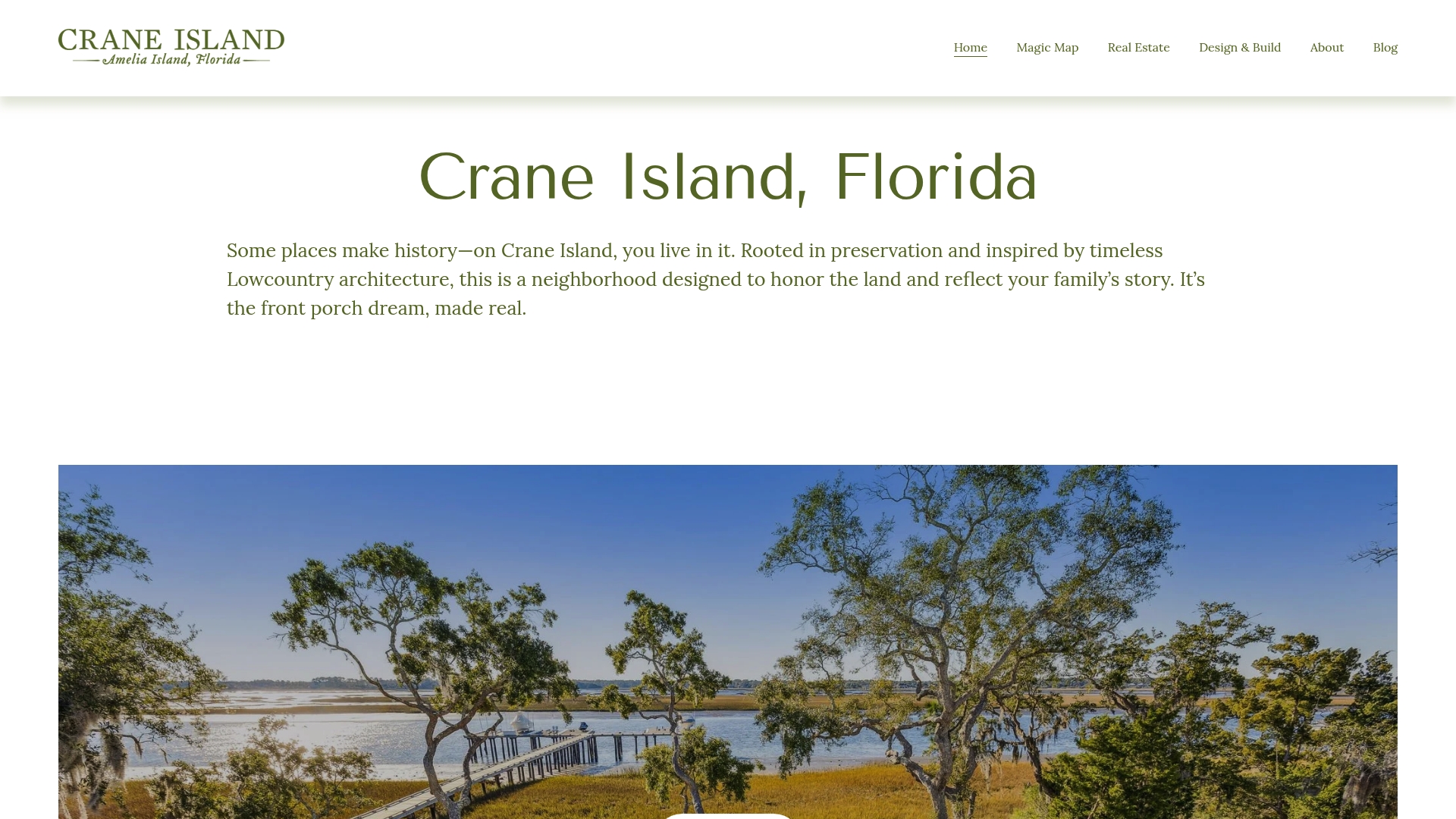
Where most luxury coastal developments offer proximity to nature, Craneisland offers immersion in it. Fourteen custom homesites, Florida Green Building Coalition certification, preserved marshlands, and direct Intracoastal Waterway access create a residential experience that is genuinely rare. The porch-centered design means community life happens naturally, without programming or effort. For buyers who have spent time in well-designed pedestrian communities and know the difference, this is the standard those places aspire to.
If you are ready to explore what that life looks like in practice, view available homesites and connect with the Craneisland team to discuss the community in detail.
Key Takeaways
Walkable coastal communities deliver the most rewarding luxury living when pedestrian design, preserved nature, and daily amenities are integrated from the ground up rather than added as features.
| Point | Details |
|---|---|
| True walkability goes beyond the beach | Daily necessities must sit within a 10–15 minute walk; beach proximity alone does not define a walkable community. |
| New Urbanism shapes the best communities | Narrow streets, rear car storage, front porches, and mixed-use cores are the design tools that make pedestrian life feel natural. |
| Car-light is the realistic standard | Residents walk for daily life within the community and retain a vehicle for regional errands. |
| Environmental integration protects value | Florida Green Building Coalition certification and preserved natural features support both lifestyle quality and long-term investment resilience. |
| Craneisland exemplifies the standard | Fourteen custom homesites on Amelia Island combine porch-oriented design, certified green building, and preserved marshlands for a genuinely rare coastal living experience. |
FAQ
What defines a truly walkable coastal community?
A truly walkable coastal community places daily necessities — dining, markets, fitness, and civic spaces — within a 10–15 minute walk of every home, with pedestrian infrastructure like boardwalks and paths connecting residents to both amenities and natural features.
Is car-free living realistic in luxury coastal communities?
Car-light is more realistic than car-free. The best walkable beach towns allow residents to handle most daily activities on foot while retaining a vehicle for regional trips beyond the neighborhood.
How does walkability affect property values in coastal areas?
Walkable coastal neighborhoods consistently attract strong buyer demand because they deliver daily lifestyle quality, not just scenic location. Communities with certified green building standards and preserved natural environments add further resilience to long-term value.
What makes Craneisland stand out among walkable coastal communities?
Craneisland combines Florida Green Building Coalition certification, preserved marshlands and forests, direct Intracoastal Waterway access, and a porch-centered design across just 14 custom homesites, creating a level of natural integration and exclusivity that larger coastal developments rarely achieve.
What should I look for when evaluating a coastal community's walkability?
Walk the neighborhood at different times of day, confirm that daily amenities sit within a genuine walking radius, and verify that cars are routed away from the primary pedestrian experience through rear alleys or designated parking areas.