
Coastal living Florida is defined as a lifestyle centered on ocean proximity, waterfront community culture, and real estate shaped by the rhythms of the sea. Florida's shoreline stretches across two distinct coasts, each offering its own character: the Gulf's warm, calm waters to the west and the Atlantic's energetic surf to the east. Communities range from compact, walkable beach villages to larger waterfront cities with full urban infrastructure. For buyers and future residents, understanding these differences is the first step toward finding the right fit.
What types of coastal communities exist in Florida, and how do they differ?
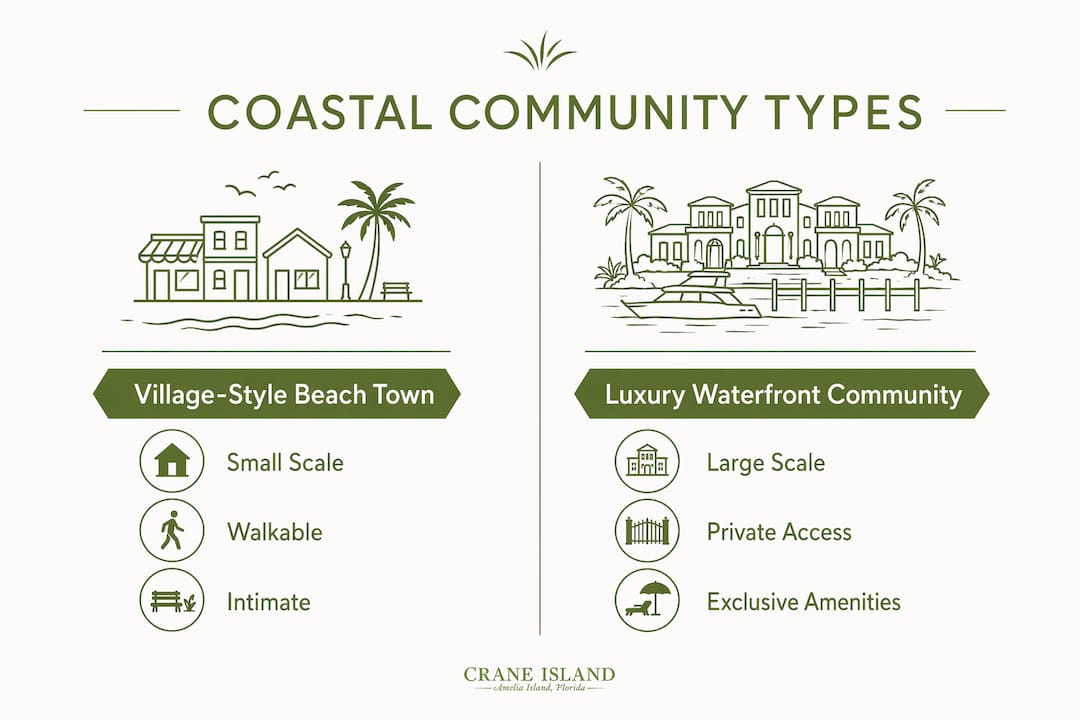
Florida's coastal communities are not interchangeable. The scale, culture, and daily experience of each town shape everything from your morning routine to your long-term property value.
The contrast between Pompano Beach and Lauderdale-by-the-Sea illustrates this clearly. Pompano Beach covers over 25 square miles with extensive marina infrastructure, boating access, and a full range of city amenities. Lauderdale-by-the-Sea spans roughly 1.5 square miles, offering a compact, walkable village with close-to-shore reef access. That size difference translates directly into lifestyle: one rewards those who want urban energy and services, the other rewards those who want to walk to the water in three minutes.
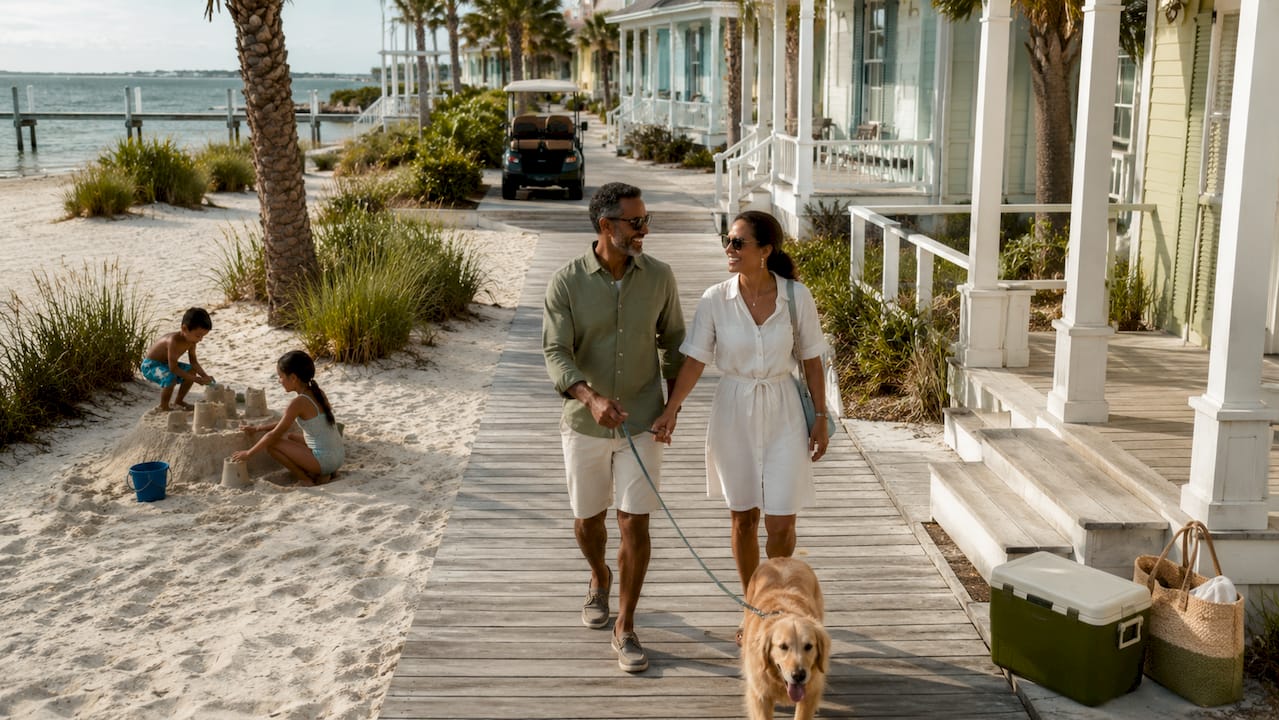
Walkability is a defining feature of the most beloved Florida beach towns. Alys Beach focuses on extreme walkability by clustering essential services and public spaces to reduce reliance on cars. This design philosophy builds community connection and daily convenience in ways that car-dependent coastal suburbs cannot replicate.
The table below captures the key differences between community types:
| Community type | Scale | Best for | Trade-offs |
|---|---|---|---|
| Village-style beach town | Under 5 sq miles | Walkability, tight community | Limited services, higher prices |
| Mid-size coastal city | 5–25 sq miles | Amenities, marina access | More traffic, less intimacy |
| Intracoastal waterway community | Varies | Boating, nature access | May lack direct beach frontage |
| Master-planned coastal community | Controlled | Curated lifestyle, design standards | Limited availability |
Buyers who understand coastal luxury community models before they shop make faster, more confident decisions. Community scale is not a minor detail. It defines your neighbors, your commute, your social life, and your resale market.
What are the lifestyle and wellness benefits of living near the ocean in Florida?
Living near the ocean in Florida reshapes daily life in ways that are both measurable and deeply personal. The combination of warm weather, outdoor access, and water proximity creates conditions that support active, health-focused living year-round.
Florida's coastal climate makes outdoor living a practical reality, not just an aspiration. Luxury coastal homes now integrate motorized screens, marine-grade materials, and wellness features like outdoor showers and cold plunge pools. These are not luxury extras. They reflect how residents actually use their homes, spending mornings on the porch and evenings outdoors long after summer ends.
The daily rhythm of a Florida beach lifestyle builds around the water. Residents report morning walks on the shore, paddleboarding before work, and evening gatherings on porches that face marshlands or open water. That rhythm is a genuine wellness asset, not a marketing phrase.
Key lifestyle benefits of Florida's coastal communities include:
- Year-round outdoor activity: Kayaking, fishing, cycling, and swimming are accessible in every season.
- Community connection: Porch-centered neighborhoods and walkable downtowns create organic social bonds.
- Mental restoration: Proximity to open water and preserved natural areas reduces the psychological weight of urban density.
- Architectural integration: Homes designed for indoor-outdoor flow extend living space into the natural environment.
Pro Tip: When touring coastal homes, test the outdoor spaces in the afternoon heat. A well-designed porch with proper orientation and shade will be comfortable. A poorly designed one will sit empty from april through october.
Seasonal population surges do affect wellness in some communities. High-traffic beach towns see their character shift dramatically between january and march. Buyers who prioritize quiet, year-round community should weight that factor heavily in their search.
What are current real estate trends and investment considerations in Florida's coastal areas?
Florida coastal real estate is defined by scarcity at the top end and complexity throughout. The most important thing buyers can understand is that "beachfront" does not always mean what it implies.
MLS listings frequently mislabel properties as "beachfront" even when they lack direct water frontage. That distinction matters enormously for insurance premiums, resale valuation, and daily use. Buyers must verify water access independently, not rely on listing descriptions alone.
Premium pricing reflects genuine scarcity. A 3.15-acre oceanfront estate in Vero Beach was listed at $45 million with approximately 223 feet of direct ocean frontage. That price reflects the near-impossibility of assembling that kind of oceanfront acreage today. In established coastal markets, supply is effectively fixed.
Pricing benchmarks in prime communities confirm the premium. High-end coastal property in Indian Rocks Beach was listed at $957 per square foot for a 10,183-square-foot residence. That figure gives buyers a realistic anchor for what true waterfront quality costs in competitive Gulf Coast markets.
The table below outlines key investment considerations:
| Factor | What to know |
|---|---|
| Insurance costs | Coastal properties carry significantly higher premiums; verify flood zone designation before purchase |
| MLS accuracy | Confirm direct water frontage independently; mislabeling is common |
| Hurricane preparation | Structural upgrades and storm shutters are standard carrying costs, not optional |
| Seasonal population | High-traffic areas see rental income spikes but also wear and service strain |
| Long-term value | True oceanfront and intracoastal properties hold value better than properties marketed as "near beach" |
Owning coastal property involves trade-offs including higher insurance costs, hurricane preparation requirements, and seasonal population surges. These are not reasons to avoid coastal ownership. They are reasons to enter it with clear eyes and a realistic budget. Understanding Florida real estate trends before you commit protects both your investment and your expectations.
Pro Tip: Request the flood zone certificate and wind mitigation report for any coastal property before making an offer. These two documents will tell you more about true ownership costs than any listing sheet.
The North Florida coastal market is gaining attention precisely because it offers genuine waterfront access at price points that South Florida's most established markets no longer can.
How should you choose the best Florida coastal community for your needs?
Choosing the right Florida seaside community requires matching your actual lifestyle priorities to what a specific place genuinely delivers. Most buyer regret in coastal real estate comes from choosing a location based on vacation memories rather than residential reality.
Buyers whose lifestyle priorities do not align with beach realities often find higher satisfaction in inland master-planned communities or urban cores. That is not a failure of ambition. It is an honest recognition that coastal living carries specific demands, and those demands suit specific personalities.
Work through these five considerations before committing:
-
Walkability vs. car dependence. Do you want to walk to coffee, the water, and dinner? Or are you comfortable driving everywhere? Village-scale towns like Lauderdale-by-the-Sea deliver the former. Larger coastal cities require the latter.
-
Community size and social scene. Smaller towns build tighter social bonds but offer fewer services. Larger coastal cities offer more amenities but less neighborhood intimacy. Neither is wrong. They serve different people.
-
Architectural style and climate resilience. West Indies architecture integrates hipped roofs and wide overhangs that handle high winds and humidity well. Choosing a home built in a style adapted to the coastal climate is a practical decision, not just an aesthetic one.
-
Water access verification. Confirm whether a property has direct water frontage, deeded beach access, or only proximity. The difference affects insurance, value, and daily life.
-
Environmental resilience and future growth. Communities with preserved natural buffers, strong building codes, and controlled development tend to hold their character and value over time.
Gated waterfront communities on Amelia Island represent one model that addresses several of these criteria at once: controlled scale, direct Intracoastal Waterway access, and architectural standards that honor the coastal environment. Craneisland on Amelia Island, with only 14 available homesites, reflects exactly this kind of intentional scarcity. It is a community built around the idea that the right place, done right, is worth more than a larger development done carelessly.
Key Takeaways
Coastal living in Florida rewards buyers who match their lifestyle expectations to a specific community's scale, access, and ownership realities before they commit.
| Point | Details |
|---|---|
| Community scale defines lifestyle | Village-style towns offer walkability and intimacy; larger coastal cities offer amenities and marina access. |
| Verify water frontage independently | MLS mislabeling is common; direct access affects insurance costs and resale value. |
| Premium pricing reflects real scarcity | True oceanfront and intracoastal properties hold value because supply is effectively fixed. |
| Outdoor living is a year-round asset | Homes designed for indoor-outdoor integration deliver genuine wellness and lifestyle benefits. |
| Lifestyle alignment drives satisfaction | Buyers who match community character to personal priorities report stronger long-term satisfaction. |
What I've learned from watching buyers choose the Florida coast
I've watched buyers fall in love with a beach town on a long weekend and then struggle to settle into it as a full-time home. The gap between visiting a place and living in it is real, and the coast makes that gap wider than almost anywhere else.
The buyers who thrive are the ones who ask hard questions before they sign. They want to know what the town feels like in july, not just in march. They ask about flood insurance before they ask about the view. They walk the neighborhood at 7:00 AM on a Tuesday, not just on a Saturday afternoon.
What I've come to believe is that the best coastal communities are the ones that were designed with permanence in mind. Not resort communities dressed up as neighborhoods, but places where the architecture, the land use, and the social culture all point toward staying. Craneisland on Amelia Island is one of the clearest examples of that philosophy I've encountered. The Lowcountry architecture, the preserved marshlands, the porch-centered design: these are not marketing choices. They are commitments to a way of living that holds up over decades.
The practical advice I give every buyer is this: spend a week, not a weekend, in any coastal community you are seriously considering. Eat at the local diner on a Wednesday. Drive the roads during a rain event. Talk to a neighbor who has lived there for ten years. The coast will show you who it really is if you give it enough time.
— John Hillman
Craneisland and the art of building a life on the water
For buyers who want more than a property near the ocean, Craneisland on Amelia Island offers something rarer: a community built around the idea that where you live should reflect who you are.
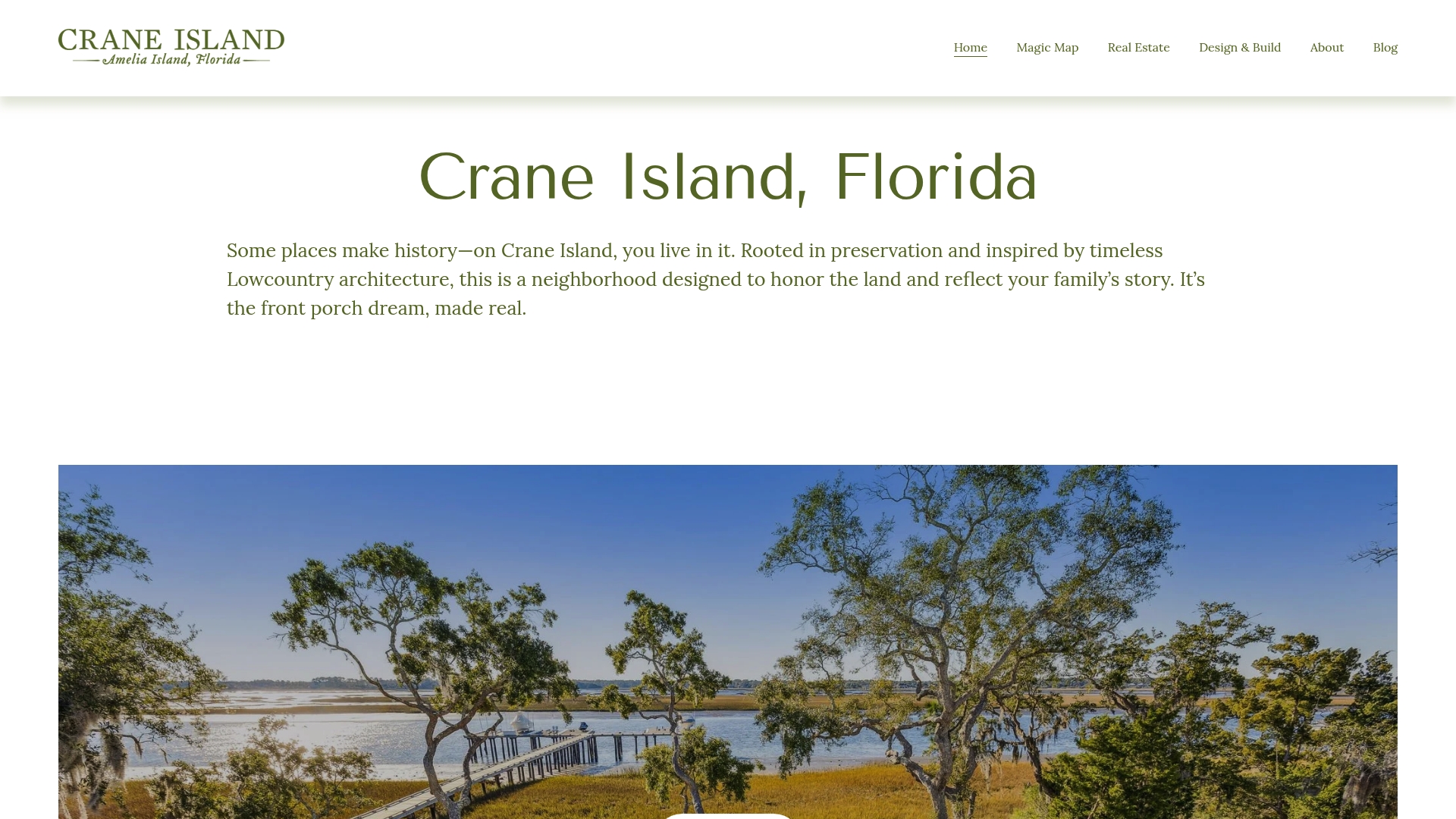
With direct access to the Intracoastal Waterway, Lowcountry architecture woven into preserved marshlands, and only 14 custom homesites available, Craneisland represents a considered alternative to the crowded coastal markets further south. The luxury intracoastal homes available here are built to honor both the land and the people who choose to call it home. For those ready to design from the ground up, the custom design and build program pairs your vision with the expertise of a team that understands Florida's coastal climate, building standards, and the craft of lasting architecture. This is coastal living built to endure.
FAQ
What is the cost of living in coastal Florida?
The cost of living in coastal Florida varies widely by location. True oceanfront and intracoastal properties carry premium prices, with high-end Gulf Coast homes reaching $957 per square foot in markets like Indian Rocks Beach, plus higher insurance and maintenance costs than inland alternatives.
How do I verify if a Florida coastal property is truly beachfront?
Request the property survey and flood zone certificate, and confirm deeded beach or water access independently. MLS listings frequently mislabel properties as beachfront when they lack direct water frontage, which affects both insurance premiums and resale value.
What architectural styles work best for Florida coastal homes?
West Indies architecture, with hipped roofs and wide overhangs, is one of the most climate-adapted styles for Florida's coast. It handles high winds and humidity well while delivering the open, airy aesthetic that coastal living calls for.
What are the pros and cons of coastal living in Florida?
The benefits include year-round outdoor access, strong community culture, and long-term property value in true waterfront locations. The trade-offs include higher insurance costs, hurricane preparation requirements, and seasonal population surges that affect daily life in high-traffic beach towns.
Which Florida coastal towns are best for full-time residents?
The best match depends on lifestyle priorities. Walkable village-scale towns suit buyers who want community intimacy and foot access to the water. Larger coastal cities suit those who want more services and urban energy. Communities like Fernandina Beach on Amelia Island compare well against more crowded southern markets for full-time livability.