
Nature-first development is an approach that designs urban projects with natural systems, not roads and parking, as the primary infrastructure driving biodiversity, resilience, and community benefit. If you're weighing a pilot, the fastest path forward starts small and specific.
Three moves to make this month:
- Align stakeholders across planning, conservation, and development before a single lot line is drawn.
- Prioritize a brownfield or already-disturbed site over greenfield expansion.
- Pick one visible quick-win design move, such as a habitat corridor along an existing drainage line, to build momentum and trust.
Set up a biodiversity scoping session paired with a land-use constraints review in your first two weeks. That single meeting will tell you more about feasibility than months of desk research.
Key Takeaways
Nature-first development succeeds when ecological baselines, cross-sector governance, and measurable net-positive targets are locked in before site plans, not layered on after.
| Point | Details |
|---|---|
| Start with a baseline | Commission biodiversity and hydrology surveys before finalizing any site plan. |
| Favor brownfield sites | Infill reuse lets you combine density with large contiguous habitat, as seen at Clichy Batignolles. |
| Sequence governance early | Bring conservation NGOs and developers into concept design, not after entitlements are set. |
| Tie metrics to funding | Link biodiversity and connectivity targets to green bond or value-capture disbursement triggers. |
| See it built | Craneisland on Amelia Island demonstrates preserved marsh and forest shaping a limited homesite plan around habitat. |
Table of Contents
- What Are the Core Principles of Nature-First Development?
- How Do You Implement a Nature-First Project?
- What Governance and Financing Models Support Nature-First Projects?
- How Do You Measure Nature-First Outcomes?
- Which Books and Hubs Should Planners Use to Get Started?
- What Do Real Nature-First Projects Look Like?
- What Belongs on a Nature-First Pilot Checklist?
- Why Planners Should Move on Nature-First Development Now
- A Nature-First Community You Can Actually Visit
- Sources
- FAQ
What Are the Core Principles of Nature-First Development?
Nature-first master planning rests on a handful of principles that show up again and again in cities getting this right, from Singapore's park-connector network to smaller ecodistrict projects across Europe and North America.
- Ecological first: natural systems get evaluated and protected before road grids or lot layouts are finalized, not retrofitted around them.
- Connectivity: corridors linking habitat patches matter more than isolated green amenities. Private developers increasingly build these nature corridors to connect verges, hedges, and treelines to surrounding countryside.
- Multifunctionality: a bioswale that manages stormwater and hosts pollinator habitat outperforms a single-purpose retention pond.
- Equity: green infrastructure has to serve the whole neighborhood, not just adjacent property owners.
- Compact growth: density paired with preserved open space beats sprawl paired with token landscaping.
Each principle becomes a policy lever. Ecological-first thinking shows up in zoning that requires biodiversity surveys before subdivision approval. Connectivity shows up in corridor easements written into site plans. For a deeper look at how these ideas play out in built residential communities, see how nature and design shape luxury communities.
Pro Tip: Write equity requirements into your master plan document itself, not a side letter. Nature that's only accessible from private lots isn't nature-first, it's landscaping with a better name.
How Do You Implement a Nature-First Project?
The sequence matters as much as the individual moves. Skip a step, and you either pay for it later in redesign costs or lose the ecological gains you promised stakeholders.
- Site screening. Favor brownfield and underused parcels over greenfield sites; infill reuse lets you combine density with large habitat patches rather than choosing between them.
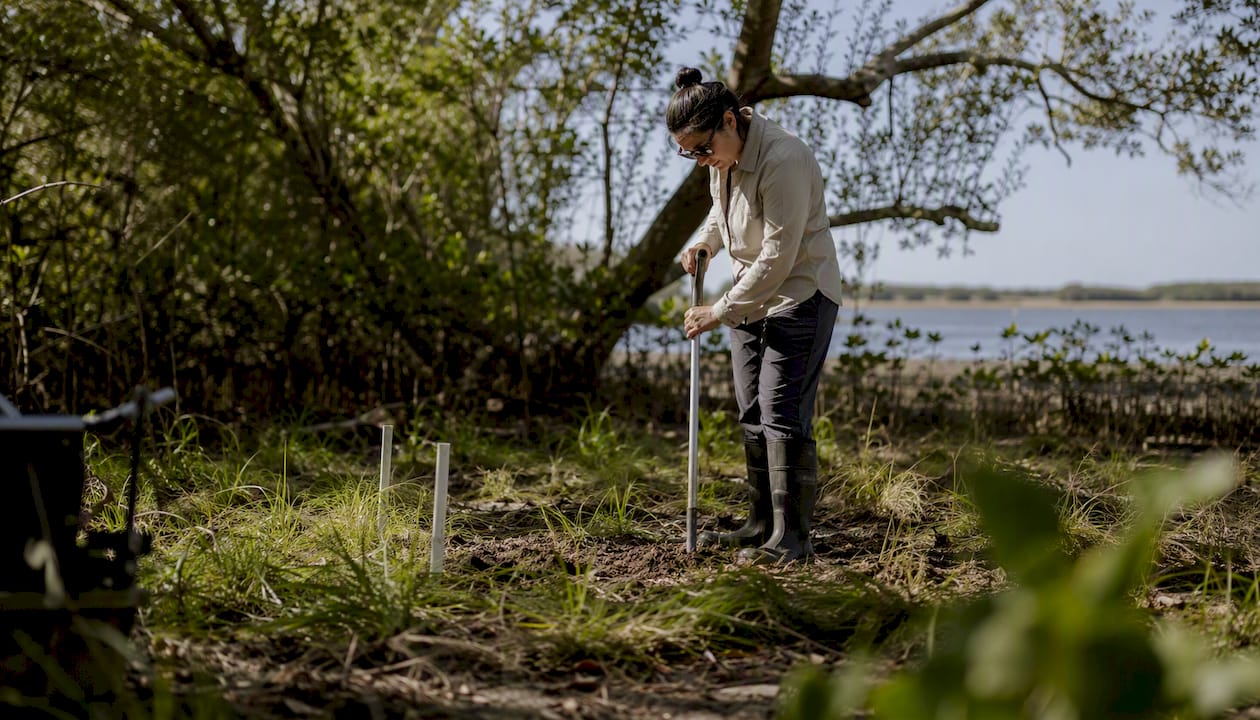
- Feasibility and biodiversity scoping. Commission baseline hydrology and species surveys before you lock in a site plan.
- Integrated master planning. Design green infrastructure and the street grid together, not as separate layers.
- Detail design. Specify green roofs, bioswales, permeable paving, and habitat corridors at the parcel level.
- Construction sequencing and adaptive management. Protect existing mature trees and wetlands first; build around them.
- Monitoring. Track biodiversity and hydrology metrics from year one, not year five.
Design interventions worth prioritizing on almost any pilot:
- Green roofs and bioswales for stormwater retention
- Habitat corridors linking existing preserves or waterways
- Permeable surfaces on secondary streets and parking areas
- A street-first public realm that treats sidewalks and porches as connective tissue, not as leftover space
The Clichy Batignolles district in Paris shows what this looks like at scale. Built on former rail yards, it paired dense housing with a 25-acre park rather than scattering smaller green fragments across the site. Site strategies that connect parcels to surrounding ecosystems work the same way on coastal sites; see how wildlife-friendly neighborhood planning applies these ideas at a smaller scale.
Brownfield reuse isn't a compromise on ecological ambition. It's often the only way to get large contiguous green space in an already-built city.
What Governance and Financing Models Support Nature-First Projects?
Ecodistrict-style governance tools give planners a framework for making conservation commitments enforceable rather than aspirational:
- Eco-district agreements that bind multiple parcels to shared ecological standards
- Land banking to secure conservation parcels before market pressure drives up costs
- Biodiversity offsets reframed as net-positive investments, not compliance checkboxes
Financing follows a similar logic. Public land assembly, developer contributions, green bonds, and value-capture mechanisms all work, but only when metrics are tied to funding triggers. If a green bond's disbursement depends on hitting a habitat-connectivity target, that target gets taken seriously in a way a mission statement never will. The Urban Institute's ecodistrict research notes that most successful ecodistricts on brownfields require public leadership specifically because private actors can't assemble land or coordinate infrastructure alone. Long-term stewardship structures matter here too, and land stewardship community models offer a useful reference point for governance that outlasts the initial development phase.
Pro Tip: Bring conservation NGOs and developers into the same room during concept design, not after entitlements are finalized. Redesigning a site plan to accommodate a wetland buffer you discovered in month eighteen costs far more than protecting it in month two.
How Do You Measure Nature-First Outcomes?
Net-positive targets only work if you have a baseline to measure against. Skipping the pre-development survey is the single most common mistake planners make, and it makes every later claim about "improvement" unverifiable.
Indicators worth tracking from day one:
- Biodiversity net gain, expressed as a percentage change from baseline
- Habitat connectivity index across the site and adjacent parcels
- Cooling degree reduction in the public realm
- Stormwater retention volume against pre-development runoff
- Social access metrics: how many residents live within a short walk of usable green space
Data point: Singapore's push toward its City in Nature vision has helped the city state reach roughly 48% green coverage, paired with permeable surfaces and water-harvesting systems that reduce heat and manage stormwater at scale. That kind of figure only means something because Singapore tracked coverage consistently over time. Align targets to SDG 11 and to the Global Biodiversity Framework where possible, since funders and regulators increasingly expect that alignment.
Pro Tip: Publish your baseline numbers publicly before construction starts. It's harder to quietly abandon a target the community already knows about.
Which Books and Hubs Should Planners Use to Get Started?
You don't need to build every framework from scratch. A few resources carry real practical weight for planners at different stages:
- Nature‑First Cities (book): the clearest single-volume synthesis of how to reconnect city planning with ecosystem function. Good starting point for policymakers writing a vision document.
- Learning for Nature / Nature for Life Hub: a curated learning pathway with case studies and training modules, useful for environmental professionals building internal capacity.
- Biodiversity net gain (BNG) calculators: use one during master planning, not after design is locked, so ecological targets actually shape the site plan.
Planners tend to lean on the book for framing; developers and technical staff get more mileage from the hub's case-study format.
What Do Real Nature-First Projects Look Like?
Clichy Batignolles remains the reference case most planners cite, and for good reason. The 25-acre Martin Luther King Park anchors a district built on former rail infrastructure, proving that brownfield ecodistrict development can deliver both density and genuine ecological scale rather than one at the expense of the other.
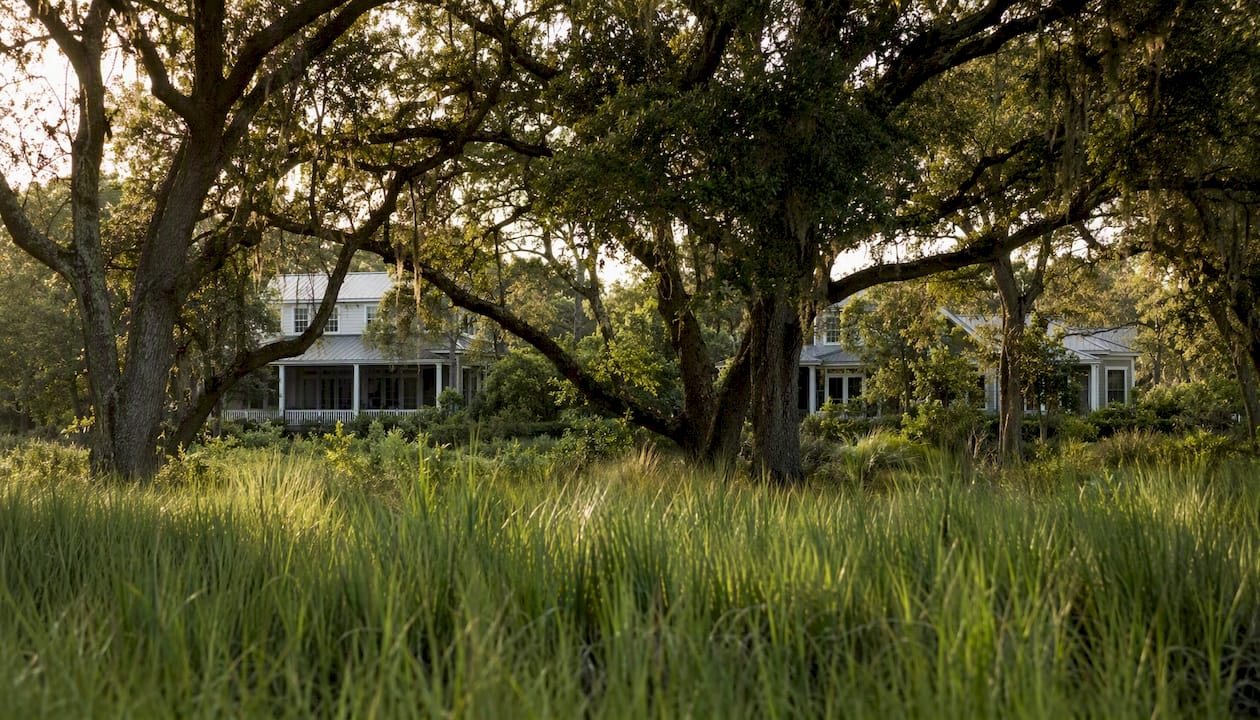
Crane Island, our own community on Amelia Island, offers a smaller but instructive parallel. Preserved marshland and maritime forest shaped the site plan before a single homesite was laid out, and the community's limited 14 homesites exist specifically because the land plan protected contiguous habitat rather than maximizing lot count. Porches face preserved open space rather than each other's backyards, which does more for resident connection to the landscape than any amenity package could.
- Sequence conservation surveys before site planning, always
- Protect contiguous habitat over scattered green fragments
- Design public and semi-public space to face nature, not away from it
The value of preserved land compounds. It doesn't depreciate the way a clubhouse does.
What Belongs on a Nature-First Pilot Checklist?
Keep an 18 to 36 month pilot simple. Engage public planning staff first, then a conservation NGO, then the developer, then community representatives, roughly in that order, so ecological non-negotiables are set before commercial terms.
- Milestones: site screen, baseline survey, master plan, delivery, first-year monitoring
- Minimum data before breaking ground: biodiversity baseline, hydrology survey, cultural and community values
Why Planners Should Move on Nature-First Development Now
The economic case and the ecological case have stopped being separate arguments. Cities that expanded green coverage saw measurable cooling and stormwater benefits alongside the biodiversity gains, and that dual return is what gets nature-first proposals funded when budgets are tight. Crane Island's own experience bears this out at a much smaller scale: preserving marsh and forest first didn't limit what we could build, it defined a better version of what we built. If you're a planner sitting on a brownfield site or an underused parcel, the practical next step isn't another study. It's an interagency scoping workshop, scheduled now, with a biodiversity baseline requirement attached to the agenda.
A Nature-First Community You Can Actually Visit
Craneisland is what nature-first development looks like when it's finished, not just proposed. Instead of touring a rendering, you can walk preserved marshland and maritime forest on Amelia Island and see how 14 homesites were sited around habitat rather than through it. For planners and policymakers who spend their careers advocating for this approach on paper, seeing it built out, with porches facing preserved wetlands and direct access to the Intracoastal Waterway, makes the case better than any framework document. If you're weighing whether nature-first principles hold up outside a pilot study, explore available homesites at Crane Island and see the land plan for yourself.
Sources
- Consilience (Columbia) — Brownfield and ecodistrict research
- World Economic Forum — Nature-first urban planning with private sector support
- Urban Institute — Green community development through ecodistricts
FAQ
What Is Nature-First Development?
It's an approach that designs urban projects with natural systems as primary infrastructure, planning around biodiversity and habitat connectivity before roads and lots.
How Is Nature-First Development Different From Standard Green Building?
Green building typically applies efficiency measures to individual structures, while nature-first development shapes the entire site plan around ecological function from the start.
What's the Best First Step for a Nature-First Pilot?
Commission a biodiversity scoping session paired with a land-use constraints review before any site plan work begins.
Does Nature-First Development Cost More?
Upfront ecological surveys add cost, but brownfield reuse and avoiding late-stage redesigns, which happen when habitat is discovered after design is locked, often offset that expense.
Can Nature-First Principles Work in Residential Communities?
Yes. Craneisland on Amelia Island shows the approach at community scale, with preserved marsh and forest shaping a limited homesite plan around habitat rather than around it.